
5 Major Functions of the Liver
The liver is a vital organ located in the upper right abdomen. It performs more than 500 important functions, including blood filtration and detoxification. Read this microblog to learn more!
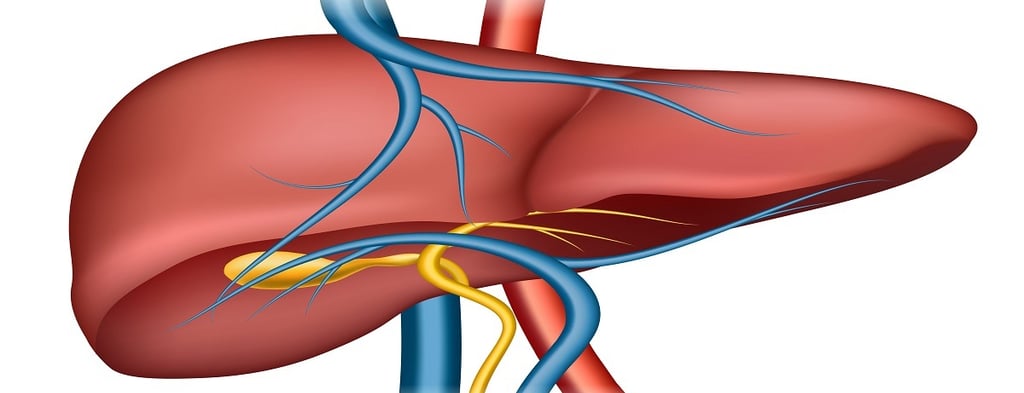
The liver is a reddish-brown, cone-shaped organ that filters more than 250 gallons of blood daily. It is the only organ in the body that can regenerate itself and weighs around 3 to 5 pounds.
The liver has two sections or lobes; the right lobe is larger than the left. Both lobes contain thousands of lobules (smaller lobes).
The liver receives its blood supply from 2 sources: the hepatic artery, which provides oxygenated blood, and the hepatic portal vein, which supplies nutrient-rich blood.
The 5 major functions of the Liver are:
1. Bile Production
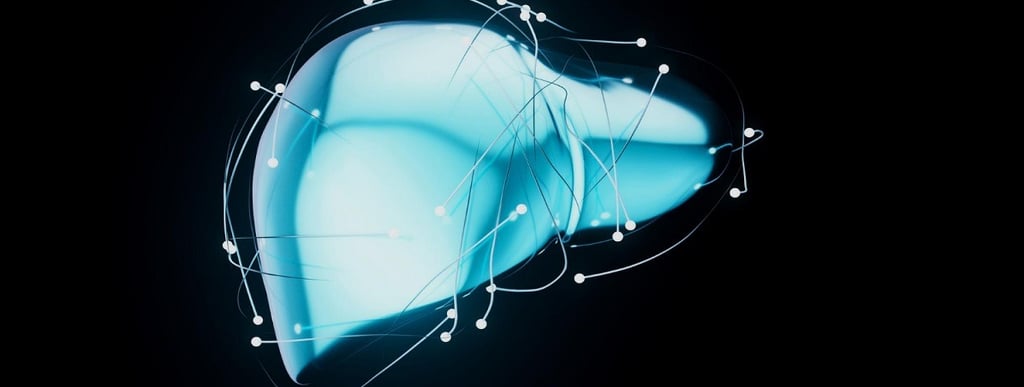
Bile is a greenish-yellow fluid that helps digest the fats we eat. The liver produces around 500-600 mL of bile daily.
Bile also helps absorb fat-soluble vitamins (A, D, E, and K) and removes waste products like bilirubin, produced by the breakdown of old, damaged red blood cells.
Bile is also known as Gall. Bile produced by the liver is stored in the gall bladder, which is present below the liver. The gall bladder stores around 30 -60 ml of bile, which is in concentrated form.
2. Filtration
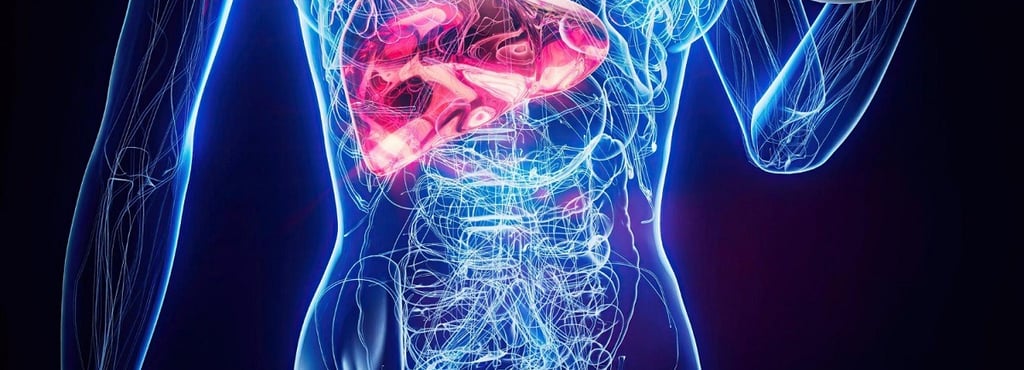
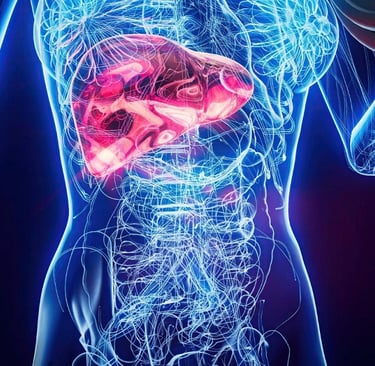
The liver acts as an effective filtration unit, removing harmful toxins from the blood. It removes metabolic waste, alcohol, and caffeine from the bloodstream.
The liver removes excess cortisol (a stress hormone) and estrogen levels from the blood to maintain their proper levels.
It also converts ammonia (a toxic byproduct of protein digestion) into urea, which is removed through urine.
3. Blood Sugar Management

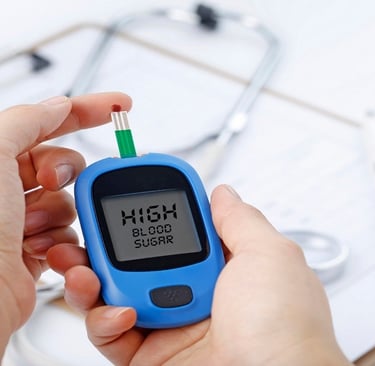
The liver plays a vital role in blood sugar management. It both produces and stores blood sugar ( glucose).
Insulin and Glucagon are the two hormones that help regulate blood sugar levels. When blood sugar levels are high, the pancreas secretes insulin to store excess blood sugar (glucose) in the muscles and liver. The liver stores glucose as glycogen through a process called glycogenesis.
When the blood sugar levels are low, the pancreas secretes glucagon, which initiates the process of glycogenolysis in the liver: conversion of stored glycogen into glucose to increase blood sugar levels. It also stimulates the process of gluconeogenesis: the production of glucose from non-carbohydrate substances.
4. Albumin Production
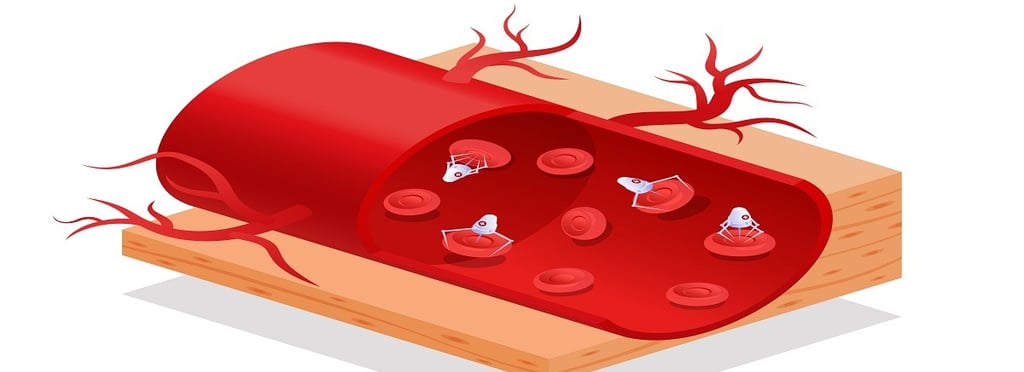
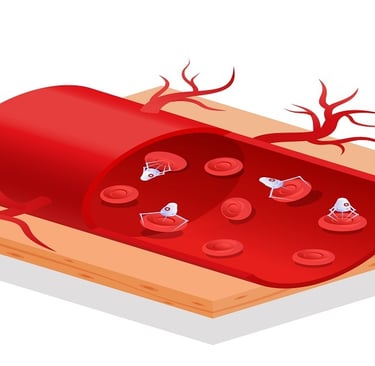
The liver produces a protein called albumin. It prevents the leakage of fluids from blood vessels. It also helps transport minerals like iron, calcium, and magnesium.
Albumin also acts as an antioxidant that neutralizes harmful free radicals.
A low level of albumin may be an indicator of liver or kidney disease.
5. Production of Cholesterol
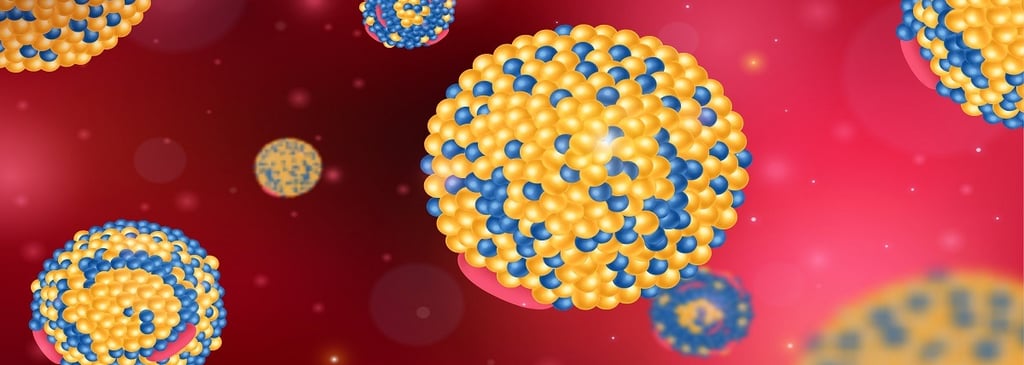
Cholesterol is a waxy fatty substance. The liver produces around 70-80% of the body's cholesterol, rest 20% comes from the food we eat. Cholesterol is generally considered bad, but it serves many vital functions in the body, such as vitamin D production and nerve function.
The liver converts cholesterol into Bile that aids digestion. It also helps in the production of sex hormones ( testosterone, estrogen, and progesterone).
Share this Article








Fitness with Meal
All you need to know about Fitness and Nutrition
contactus@fitnesswithmeal.com
© 2026. All rights reserved.