
Is Olive Oil Really Healthy?
Olive oil is one of the healthiest plant-based cooking oils. It is a good source of monounsaturated fats (MUFAs), which improve heart health. Read this mini-blog to learn more!
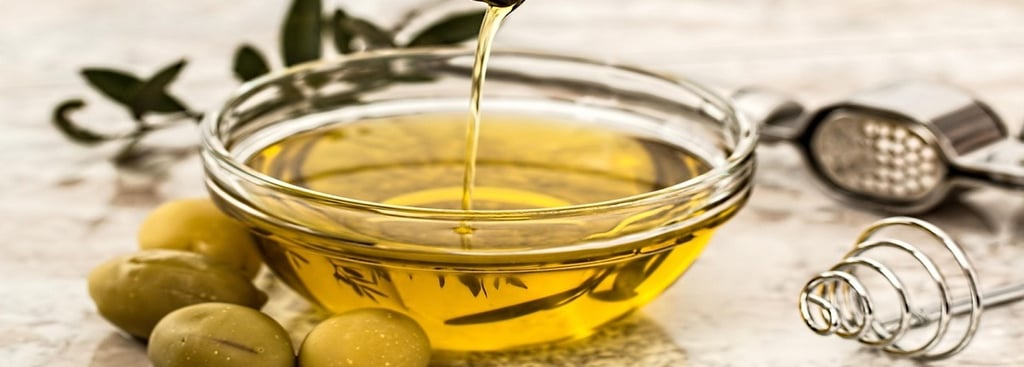
Olive oil is a natural oil obtained from olives. It has been used for its medicinal properties for thousands of years. It is widely used in Mediterranean cuisine for its numerous health benefits.
The goodness of olive oil comes from its key ingredient, oleic acid, a kind of monounsaturated fat (MUFA), which provides several health benefits.
Olive oil contains 70-75% oleic acid, 12-13% of saturated fats, and the remaining 10-12% of polyunsaturated fats like omega-3 and omega-6 fatty acids.
Olive oil can be categorized into extra-virgin olive oil (EVOO), virgin olive oil, and refined olive oil. Extra virgin olive oil is the purest form of olive oil made from cold pressing olives.
Virgin olive oil is also cold-pressed olives but has a slightly higher acidity than extra virgin olive oil, while refined olive oil undergoes mechanical and chemical processing to neutralize acidity, causing lower efficiency.
Olive oil is rich in polyphenols (natural bioactive compounds with antioxidant effects) and has anti-inflammatory properties, which reduce the risk of chronic diseases such as cancer and heart disease.
It is also a good source of Vitamin E and Vitamin K. You can use olive oil in salad dressing or pour it on your veggies for roasting. Olive oil has a lower smoke point; high-heat cooking such as frying should be avoided, as it reduces its health benefits. Refined olive oil has a higher smoke point than extra virgin and virgin olive oil, which makes it suitable for high-heat cooking.
According to the United States Department of Agriculture (USDA), olive oil has the following nutrients.
Pros of Olive Oil
1. Olive oil improves heart health; it increases good cholesterol (HDL) and lowers bad cholesterol (LDL).
2. It helps lower inflammation.
3. Olive oil lowers the risk of stroke.
4. It reduces cravings so that you don't overeat and helps manage weight.
5. Polyphenols, mainly oleocanthal, present in olive oil act as an effective antioxidant, which reduces oxidative stress and lowers the risk of Alzheimer's.
6. Olive oil contains healthy fats that slow digestion, which helps manage blood sugar levels and lowers the risk of type 2 diabetes.
7. Antioxidants present in olive oil neutralize harmful free radicals in the body, lowering the risk of colon and breast cancer.
8. Vitamin K and polyphenols present in olive oil help strengthen bones and lower the risk of osteoporosis.
9. Olive oil has antibacterial properties that prevent bacterial and viral infections.
10. It lowers the risk of depression.
11. Olive oil promotes good bacteria in the gut, which improves gut health.
12. It helps boost immunity.
Cons of Olive Oil
1. Olive oil is high in calories; excessive consumption may cause weight gain.
2. Excessive consumption of olive oil can lead to digestive issues like diarrhea, bloating, and stomach cramps.
3. People on diabetic medication should avoid its overconsumption, as it may cause hypoglycemia ( unexpectedly low blood glucose levels).
4. Consuming olive oil along with blood pressure medication can cause low blood pressure, leading to dizziness and lightheadedness.
5. Olive oil slows blood clotting; if you are consuming blood-thinning medication, avoid olive oil overconsumption as it may cause bleeding.
6. Applying olive oil to oily skin can cause acne.
Interesting Facts
1. Olive trees can live up to 600 years.
2. Olive trees have 46 chromosomes, the same as humans.
3. Olive oil is cholesterol-free.
4. Greece has the most per capita consumption of olive oil.
5. Spain is the largest producer of olives and olive oil in the world.
Share this Article








Fitness with Meal
All you need to know about Fitness and Nutrition
contactus@fitnesswithmeal.com
© 2026. All rights reserved.