
Surprising Benefits of Broccoli
Broccoli is a nutrient-rich cruciferous vegetable from the family of cauliflower, kale, and cabbage. It is rich in Vitamin C, Iron, and Potassium. Read this mini blog to learn more!
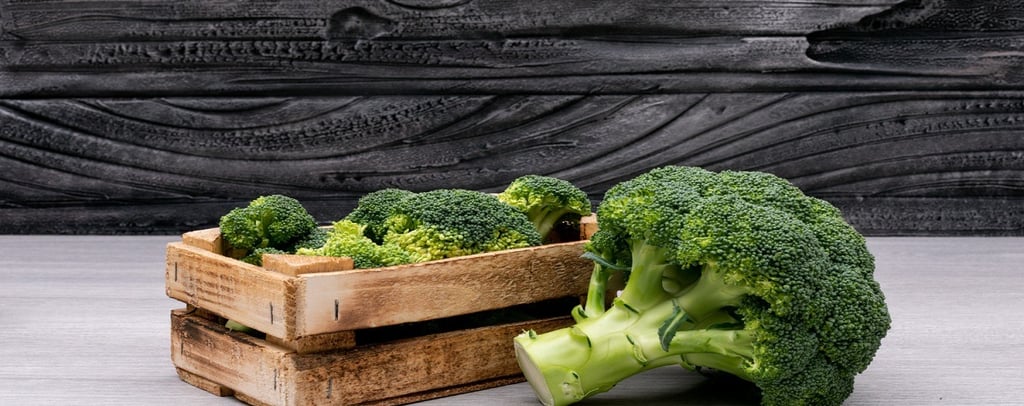
Broccoli is one of the healthiest vegetables, rich in antioxidants and various nutrients. Broccoli contains no fat and is almost 90% water.
Broccoli is very low in calories, which can be helpful in weight management. It is high in fiber and has plant compounds like carotenoids and sulforaphane that offer several health benefits.
It contains essential minerals like potassium, manganese, and iron, and vitamin B9 ( folate) and K1. A cup of broccoli contains the same amount of vitamin C as an orange.
Broccoli can be consumed raw, steamed, or sauteed. They can be easily added to salads, sauces, and soups.
The Glycemic Index (GI) of Broccoli is 15, which is low and doesn't cause a blood sugar spike.
According to the United States Department of Agriculture (USDA), Broccoli contains the following nutrients.
Pros of eating Broccoli
⦁ Natural compounds in Broccoli help prevent cancer.
⦁ It can reduce cholesterol and lower the risk of heart disease.
⦁ Carotenoids, such as lutein and zeaxanthin, may help improve vision.
⦁ Broccoli can help lower blood sugar.
⦁ It can prevent osteoarthritis.
⦁ Vitamin C in Broccoli can help boost immunity.
⦁ Vitamin K in Broccoli is essential for blood clotting.
⦁ Antioxidants in Broccoli can improve skin condition.
Cons of eating Broccoli
⦁ Broccoli contains goitrogens, compounds that can impact thyroid health.
⦁ People who take blood thinners should consult a doctor before consuming Broccoli due to its high vitamin K content.
⦁ Excess consumption of Broccoli can cause gas and bloating.
⦁ Broccoli contains phytates and oxalates, anti-nutrients that hamper the absorption of minerals like iron and calcium. So, excess consumption should be avoided.
Interesting Facts
⦁ Broccoli is an edible flower.
⦁ The Word Broccoli is derived from the Italian word Broccolo, which means the flowering crest of cabbage.
⦁ China and India are the leading producers of Broccoli.
Share this Article








Fitness with Meal
All you need to know about Fitness and Nutrition
contactus@fitnesswithmeal.com
© 2026. All rights reserved.