
Why Is Refined Flour (Maida) Unhealthy? 7 Reasons to Limit It
Why is refined flour (maida) unhealthy? Discover 7 reasons to limit it, how it affects fiber, blood sugar and nutrition, and healthier flour alternatives.

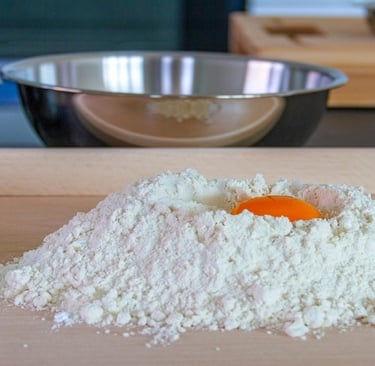
Refined flour, commonly known as maida, is a staple ingredient in many popular foods, including bread, biscuits, cakes, pastries, noodles, and other baked products. While it provides a fine texture and is convenient for cooking and baking, it contains much less fiber and fewer naturally occurring nutrients than whole-grain flour.
Eating refined-flour foods occasionally is not necessarily a problem, but regularly consuming large amounts may make it harder to maintain a balanced, nutrient-rich diet. In this article, we'll explain why refined flour is considered less nutritious, how it can affect blood sugar and weight management, and what healthier alternatives you can choose.
What Is Refined Flour (Maida)?
Refined flour, commonly known as maida or all-purpose flour, is made from wheat after the bran and germ are removed, leaving mainly the starchy endosperm. This refining process gives the flour a fine texture and longer shelf life, but it also removes much of the fiber and reduces several naturally occurring vitamins, minerals, and other beneficial plant compounds found in whole wheat.
Because refined flour is low in fiber and is commonly used in foods such as white bread, biscuits, cakes, pastries, and noodles, regularly eating large amounts of refined-flour products may provide fewer nutrients and less fiber than choosing whole-grain alternatives.
Why Is Refined Flour Considered Unhealthy?
Refined flour is not necessarily harmful when eaten occasionally, but regularly consuming large amounts can make it harder to get enough fiber and essential nutrients. Many foods made with maida are also highly processed and may contain added sugar, unhealthy fats, and excess calories. Here are some of the main reasons why limiting refined-flour foods can be beneficial for your overall health.
1. It Is Low in Fiber
One of the main drawbacks of refined flour is its low fiber content. During the refining process, the wheat bran and germ are removed, leaving mainly the starchy endosperm. Since much of the fiber is found in the bran, refined flour contains considerably less fiber than whole-wheat flour.
Fiber supports healthy digestion, helps you feel full after meals, and can help maintain more stable blood sugar levels. Choosing whole-grain foods more often can therefore provide more fiber and improve the overall nutritional quality of your diet.
2. It Can Raise Blood Sugar Quickly
Refined flour is low in fiber and is made primarily from the starchy endosperm of wheat. Foods made with refined flour can therefore be digested relatively quickly, which may cause blood sugar levels to rise more rapidly than they would after eating many higher-fiber whole-grain foods.
Regularly eating large amounts of refined-grain foods, especially when they also contain added sugar, may make blood sugar management more difficult. Choosing whole-grain alternatives and pairing carbohydrate-rich foods with protein, healthy fats, and fiber can help support better blood sugar control.
3. It May Make Weight Management More Difficult
Refined flour itself does not automatically cause weight gain, but foods made with maida can make weight management more difficult when eaten frequently. Many refined-flour foods, such as pastries, biscuits, cakes, pizzas, and other baked products, can be high in calories, added sugars, and fats while providing relatively little fiber.
Because fiber helps promote fullness, low-fiber foods may be less satisfying than higher-fiber whole-grain choices. Replacing some refined-flour foods with whole grains, vegetables, legumes, and other nutrient-rich foods can help create a more filling and balanced diet.
4. It Contains Fewer Naturally Occurring Nutrients
Refined flour contains fewer naturally occurring nutrients than whole-wheat flour because the refining process removes the wheat bran and germ, where many vitamins, minerals, fiber, and beneficial plant compounds are found.
Whole-wheat flour generally provides more fiber, magnesium, vitamin E, and other nutrients than refined flour. Some refined flours are enriched with selected vitamins and minerals, but enrichment does not usually restore all the fiber and beneficial compounds lost during processing.
Choosing whole-grain foods more often can help you get a wider range of nutrients and support a balanced diet.
5. It May Be Less Beneficial for Heart and Metabolic Health
Whole grains contain more fiber and beneficial plant compounds than refined grains, making them a valuable part of a heart-healthy diet. Replacing some refined-grain foods with whole-grain alternatives can help improve overall diet quality and support cardiovascular health.
Many foods made with maida, such as pastries, biscuits, and some packaged snacks, may also contain high amounts of saturated fat, added sugar, and sodium. Eating these foods frequently in place of nutrient-rich options may make it harder to maintain healthy cholesterol levels, blood pressure, and blood sugar.
The overall quality of your diet matters more than any single ingredient. Choosing whole grains more often and limiting highly processed foods can support better long-term heart and metabolic health.
6. Many Maida-Based Foods Are Highly Processed
Maida is commonly used in foods such as biscuits, cakes, pastries, white bread, noodles, and packaged snacks. Depending on the product, these foods may contain added sugars, saturated fats, and sodium, while providing relatively little fiber.
However, not every food made with refined flour is highly processed or unhealthy. The ingredients, preparation method, portion size, and how often you eat these foods all matter.
To improve your diet, try limiting foods that are high in added sugar, salt, and saturated fat. Choose more minimally processed foods, such as whole grains, fruits, vegetables, beans, and nuts, to help meet your nutritional needs.
7. It Can Displace More Nutritious Foods
Eating maida-based foods occasionally can fit into a balanced diet. However, if these foods make up a large part of your daily meals, they may replace more nutritious options such as whole grains, vegetables, fruits, legumes, nuts, and seeds.
These foods provide a variety of nutrients, including fiber, vitamins, minerals, and beneficial plant compounds that support overall health. Relying heavily on refined-flour foods can make it harder to meet your daily nutritional needs, especially if your diet lacks variety.
Rather than eliminating maida completely, focus on eating a varied, balanced diet and choosing whole-grain foods more often.
Is Maida the Same as Bleached Flour?
Maida and bleached flour are related terms, but they do not mean exactly the same thing. Maida is a finely milled, refined wheat flour commonly used in India. Bleached flour refers to flour that has undergone a bleaching treatment to alter its color and baking properties.
Depending on the product and local regulations, refined flour may be treated with permitted bleaching agents or left unbleached. The processing methods and permitted additives can vary by country.
The word bleached does not automatically mean that flour is unsafe, just as unbleached does not necessarily mean it is more nutritious. To make informed choices, check the ingredient list and choose flour from reputable manufacturers. For everyday meals, whole-wheat flour can provide more fiber and naturally occurring nutrients than refined maida.
What About Gluten and Maida?
Maida is made from wheat, so it naturally contains gluten, a group of proteins that helps dough stretch and gives baked foods their structure. Gluten is safe for most people, but it can cause health problems for people with certain medical conditions, including celiac disease and wheat allergy.
For most people, there is no need to avoid gluten solely because they eat maida. However, limiting refined-flour foods and choosing more whole-grain alternatives can improve the nutritional quality of your diet.
Is Maida Gluten-Free?
No. Maida is a wheat-based flour and contains gluten. People with celiac disease or other conditions that require gluten avoidance should not use regular maida. They can choose certified gluten-free alternatives, such as rice flour or buckwheat flour, while checking labels for possible cross-contamination.
Can Maida Cause Celiac Disease?
No. Maida does not independently cause celiac disease. Celiac disease is an autoimmune condition in which eating gluten triggers an immune reaction that damages the small intestine in people who are susceptible to the condition.
People with celiac disease must follow a strict gluten-free diet. Most other people do not need to avoid gluten unless advised to do so by a qualified healthcare professional.
How to Reduce Refined Flour in Your Diet
Reducing refined flour does not mean you have to give up all your favorite foods. Small, consistent changes can help you eat more fiber and improve the overall nutritional quality of your meals.
Here are some practical ways to reduce your intake of maida:
Choose whole-wheat flour more often: Use whole-wheat atta instead of maida for everyday rotis and suitable homemade recipes.
Read food labels: Check ingredient lists for refined wheat flour and compare products for fiber, added sugar, and saturated fat.
Try whole-grain options: Choose whole-grain bread, oats, and whole-wheat pasta more often when available.
Prepare more meals at home: Homemade meals make it easier to control ingredients and portion sizes.
Limit frequent packaged snacks: Reduce how often you eat biscuits, pastries, cakes, and similar foods, especially when they are high in sugar or saturated fat.
Make gradual substitutions: Replace some refined-flour foods with whole grains, beans, vegetables, and other nutrient-rich foods rather than trying to change everything at once.
You do not need to eliminate maida completely to maintain a healthy diet. The goal is to enjoy refined-flour foods in moderation while making nutritious, fiber-rich foods a regular part of your meals.
Healthier Alternatives to Refined Flour
Replacing some refined flour with whole-grain or other nutrient-rich flours can help increase the variety of nutrients in your diet. The best alternative depends on the recipe, your nutritional needs, and the texture you want.
Here are five alternatives to consider:
1. Whole-Wheat Flour
Whole-wheat flour is one of the easiest alternatives to maida. It retains the bran and germ, providing more fiber and naturally occurring nutrients. It works well for rotis, chapatis, breads, and many homemade baked goods.
Best for: Everyday cooking, rotis, chapatis, and whole-wheat bread.
2. Oat Flour
Oat flour is made from ground oats and provides fiber, including beta-glucan, a type of soluble fiber associated with healthy cholesterol levels. It works well in pancakes, muffins, and some cookies, although its texture differs from that of maida.
Best for: Pancakes, muffins, and selected baking recipes.
Tip: If you need to avoid gluten, choose oats labeled gluten-free because oats can be contaminated during processing.
3. Buckwheat Flour
Despite its name, buckwheat is not a type of wheat. Its flour is naturally gluten-free and provides fiber, minerals, and plant compounds. It can be used in pancakes, flatbreads, and other recipes, often combined with another flour for a better texture.
Best for: Pancakes, flatbreads, and gluten-free recipes.
4. Quinoa Flour
Quinoa flour is made from ground quinoa seeds and provides protein, fiber, and minerals. Its distinctive flavor may work better in some recipes than others, so it is often blended with other flours when baking.
Best for: Selected breads, muffins, and other baked goods.
5. Almond Flour
Almond flour is made from ground almonds and provides protein, unsaturated fats, and vitamin E. It is lower in carbohydrates than wheat flour but is more calorie-dense. Because it behaves differently from wheat flour, it usually cannot replace maida in equal amounts in every recipe.
Best for: Cookies, cakes, and selected low-carbohydrate recipes.
Tip: Avoid almond flour if you have an almond allergy.
FAQs
1. Is Maida Unhealthy?
Maida is low in fiber and contains fewer naturally occurring nutrients than whole-wheat flour. Eating it occasionally can fit into a balanced diet, but regularly relying on maida-based foods may leave less room for more nutritious, fiber-rich choices. Whole-grain alternatives are generally better everyday options.
2. Does Maida Cause Diabetes?
Maida does not directly cause diabetes. However, refined-flour foods can raise blood sugar relatively quickly, and regularly consuming large amounts of refined grains as part of a poor-quality diet may contribute to metabolic health problems. A balanced diet, regular physical activity, and healthy lifestyle habits help support blood sugar management.
3. Is Maida Gluten-Free?
No. Maida is made from wheat and contains gluten. People with celiac disease or a wheat allergy should follow appropriate medical guidance and choose suitable alternatives.
4. Is Whole-Wheat Flour Healthier Than Maida?
Generally, yes. Whole-wheat flour retains the bran and germ, providing more fiber and naturally occurring nutrients than refined maida. It is usually a better choice for everyday meals.
5. Can I Eat Maida Occasionally?
Yes. Most people can enjoy maida-based foods occasionally as part of a balanced diet. The key is to consider portion sizes, how often you eat them, and the overall nutritional quality of your diet.
6. What Can I Use Instead of Maida?
Whole-wheat flour is a practical substitute for many everyday recipes. Oat, buckwheat, quinoa, and almond flours can also work in selected recipes, although their taste, texture, and nutritional profiles differ.
Conclusion
Refined flour, or maida, is widely used because of its fine texture and versatility, but it contains less fiber and fewer naturally occurring nutrients than whole-wheat flour. Frequently choosing maida-based foods over whole grains and other nutrient-rich foods may make it harder to maintain a balanced diet.
You do not need to eliminate maida completely unless you have a medical reason to avoid it. Instead, choose whole grains more often, eat a variety of nutrient-rich foods, and enjoy refined-flour products in moderation. Small, consistent changes can help you build healthier eating habits over time.
Share this Article







Last Updated: October 2026
Fitness with Meal
All you need to know about Fitness and Nutrition
contactus@fitnesswithmeal.com
© 2026. All rights reserved.