
30 Low-Calorie Foods for Weight Loss
Discover 30 low-calorie foods for weight loss, including fruits, vegetables, protein-rich foods, and dairy. Learn how to include them in a balanced diet.
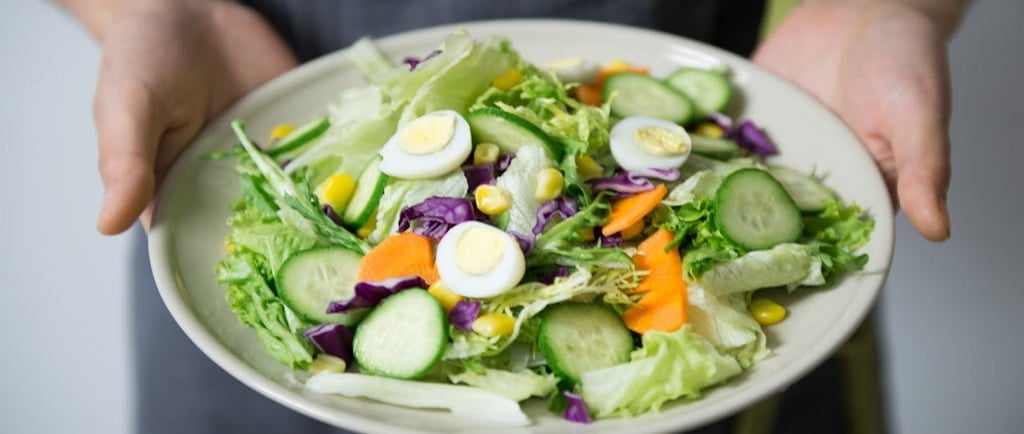
Choosing lower-calorie, nutrient-rich foods can make it easier to manage your overall calorie intake while still enjoying satisfying meals. Fruits, vegetables, lean proteins, dairy products, and other whole foods can provide important nutrients while adding variety and volume to your diet.
In this article, we'll explore 30 low-calorie foods that can fit into a balanced weight-loss diet, including fruits, vegetables, protein-rich foods, and dairy. We'll also look at practical ways to include these foods in your meals while keeping overall calorie intake in mind.
How Low-Calorie Foods Can Support Weight Loss
Low-calorie foods can support weight management by helping you enjoy satisfying meals while keeping overall calorie intake in check. Many fruits and vegetables contain plenty of water and fiber, which can add volume to meals and help you feel fuller.
Choosing nutrient-dense foods such as vegetables, fruits, lean proteins, low-fat dairy, whole grains, legumes, nuts, and seeds can also help you get important nutrients as part of a balanced eating pattern. The goal is not to eat as few calories as possible, but to choose foods that provide good nutrition while fitting your individual calorie needs.
One practical approach is to replace some higher-calorie ingredients with lower-calorie foods. For example, adding vegetables to a meal or choosing whole fruit instead of fruit juice can increase food volume and provide more fiber without adding as many calories.
Low-calorie Fruits
Apple
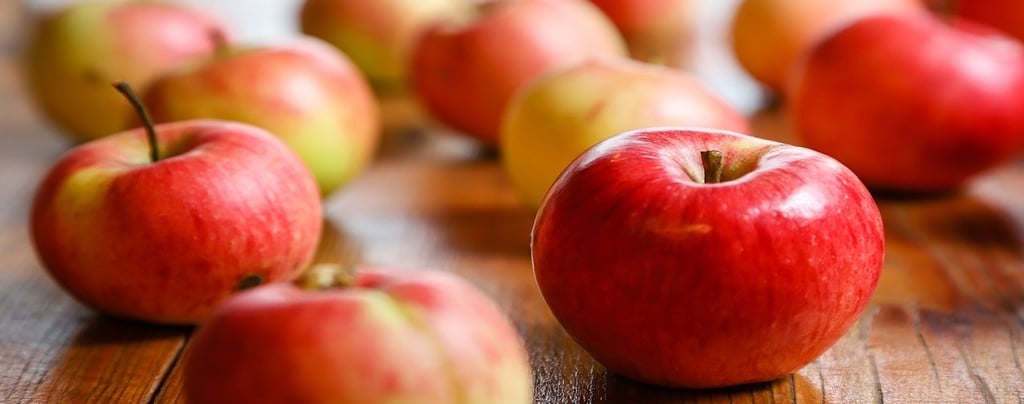
Apple is a convenient, relatively low-calorie fruit that can fit well into a balanced weight-loss diet. A raw apple with skin provides about 52 calories per 100 g and around 2.4 g of dietary fiber.
The water and fiber in apples can help add volume and contribute to feelings of fullness. Eating whole fruit is generally preferable to fruit juice because whole fruit retains its fiber.
How to include it: Enjoy an apple as a snack, slice it into oatmeal or yogurt, or add it to a salad.
Plum
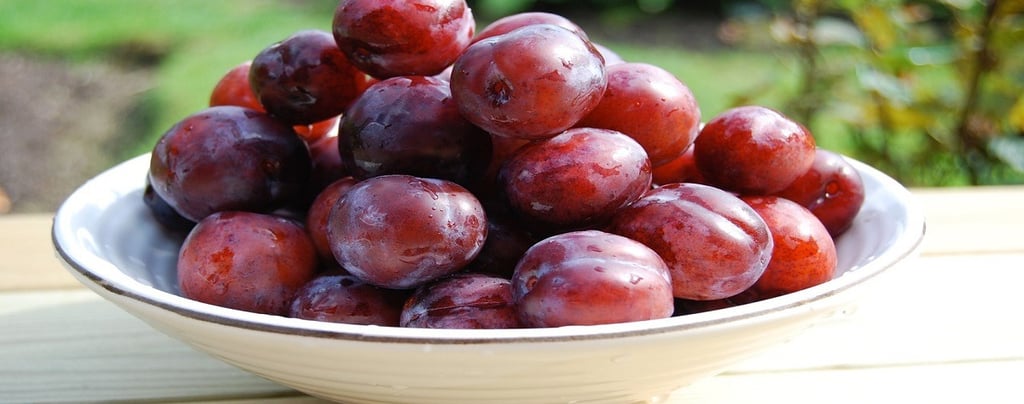
Plum is a naturally sweet, low-calorie fruit that can be included in a balanced weight-loss diet. Raw plums provide about 46 calories per 100 g, along with approximately 1.4 g of dietary fiber.
Plums also provide nutrients such as vitamin C and potassium. Their water and fiber content can add volume to meals and snacks without contributing a large number of calories.
How to include it: Eat a fresh plum as a snack, add sliced plums to yogurt or oatmeal, or combine them with other fresh fruits.
Pineapple
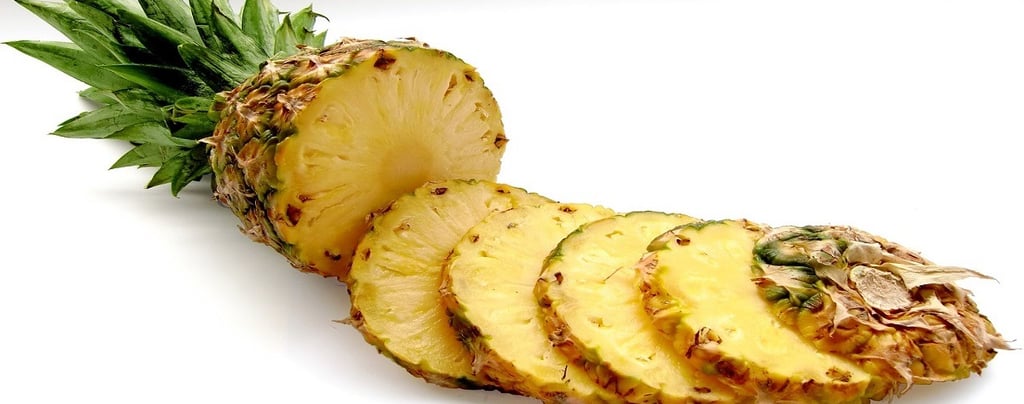
Pineapple is a naturally sweet, relatively low-calorie fruit that can be included in a balanced weight-loss diet. Raw pineapple provides about 50 calories per 100 g and contains water, fiber, vitamin C, and other nutrients.
Its naturally sweet flavor can make it a useful alternative to higher-calorie desserts or snacks. However, pineapple itself does not directly cause fat loss or burn body fat. What matters for weight management is how it fits into your overall eating pattern and calorie intake.
How to include it: Enjoy fresh pineapple as a snack, add it to yogurt or oatmeal, or use it in a fruit salad. Choose fresh or unsweetened varieties rather than pineapple packed in added sugar or syrup.
Grapefruit
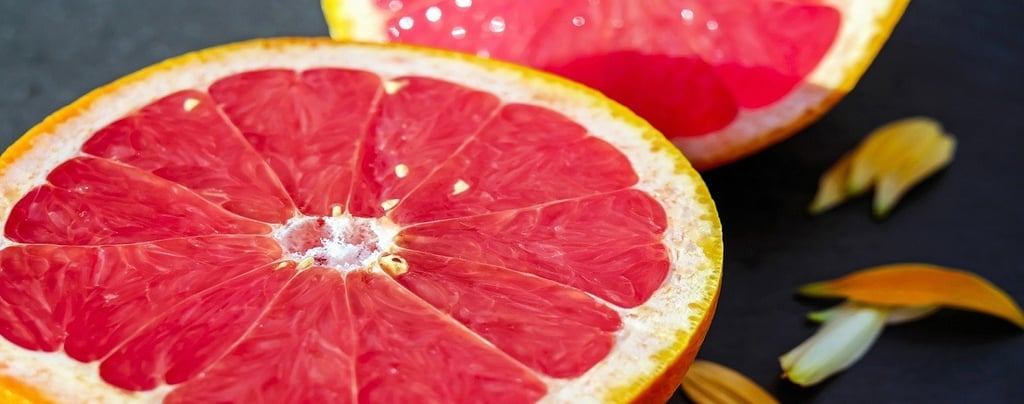
Grapefruit is a low-calorie citrus fruit that can fit into a balanced weight-loss diet. Depending on the variety, raw grapefruit provides roughly 33–42 calories per 100 g and contains water, fiber, vitamin C, and potassium.
Its high water content and relatively low calorie density make grapefruit a refreshing option when you're trying to manage your overall calorie intake. However, grapefruit does not directly burn fat or cause weight loss on its own.
How to include it: Enjoy fresh grapefruit as a snack, add the segments to a fruit salad, or combine them with yogurt or other fruits.
Medication note: Grapefruit can interact with some medicines. If you regularly take prescription medication, check with your doctor or pharmacist before consuming grapefruit regularly.
Watermelon
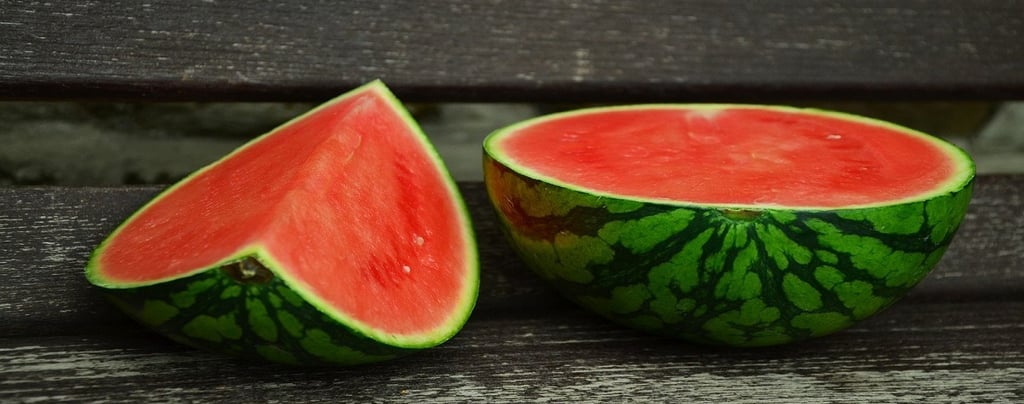
Watermelon is a refreshing, low-calorie fruit with a high water content. It provides about 30 calories per 100 g, making it a relatively low-calorie option for snacks and meals.
Watermelon can add volume and hydration to your diet without contributing many calories. However, eating watermelon by itself does not cause weight loss. It is most useful when included as part of an overall balanced eating pattern that fits your calorie needs.
How to include it: Enjoy fresh watermelon as a snack, add it to a fruit salad, or serve it alongside a balanced meal. Choose whole watermelon rather than sweetened watermelon drinks or juices when possible.
Muskmelons
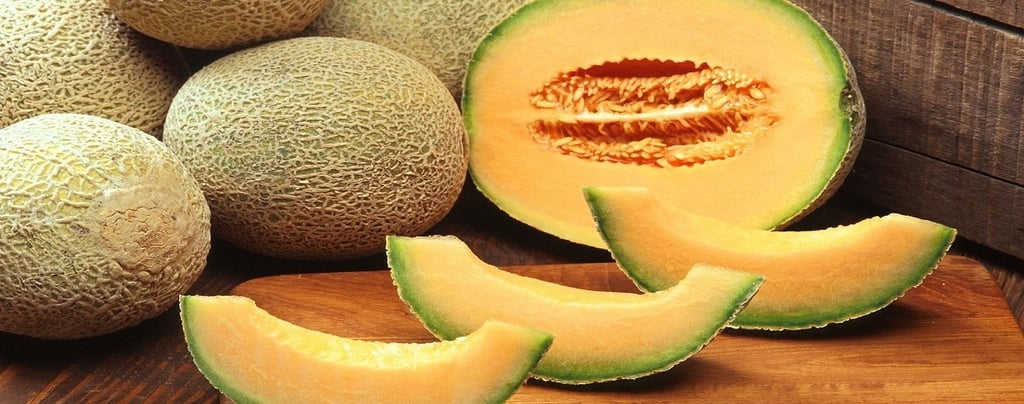
Muskmelon is a refreshing, low-calorie fruit with a high water content. Depending on the variety, melons such as cantaloupe provide roughly 34 calories per 100 g and can be a light addition to meals and snacks.
Its water content can add volume to your diet, while it also provides nutrients such as vitamin C and vitamin A. Like other fruits in this list, muskmelon can support a calorie-conscious eating pattern, but it does not directly cause fat loss.
How to include it: Enjoy fresh muskmelon on its own, add it to a fruit salad, or serve it with plain yogurt for a more filling snack.
Peach
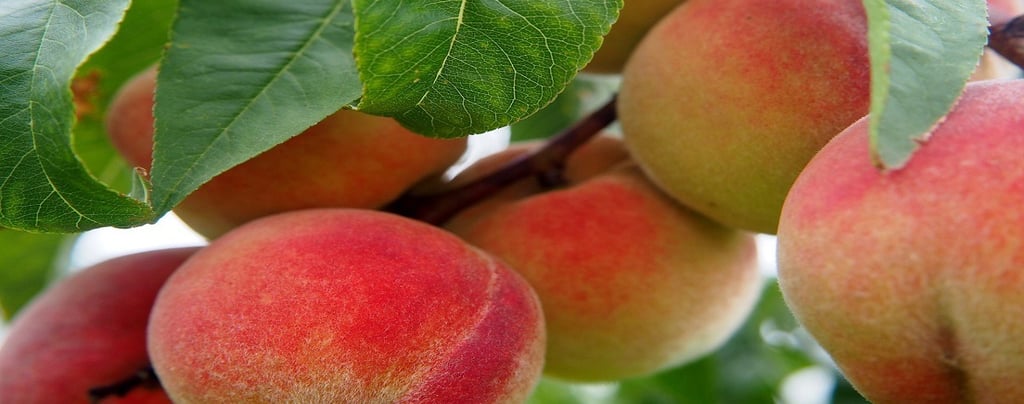
Peach is a naturally sweet, low-calorie fruit that can be included in a balanced weight-loss diet. Raw peaches provide roughly 39–42 calories per 100 g, depending on the USDA database entry and variety, and contain about 1.5 g of dietary fiber per 100 g.
Peaches also have a high water content, making them a light and refreshing option for snacks or meals. Like other whole fruits, they can add volume and nutrients to your diet without contributing a large number of calories.
How to include it: Eat a fresh peach as a snack, add sliced peach to plain yogurt or oatmeal, or combine it with other fruits in a fruit salad.
Guava
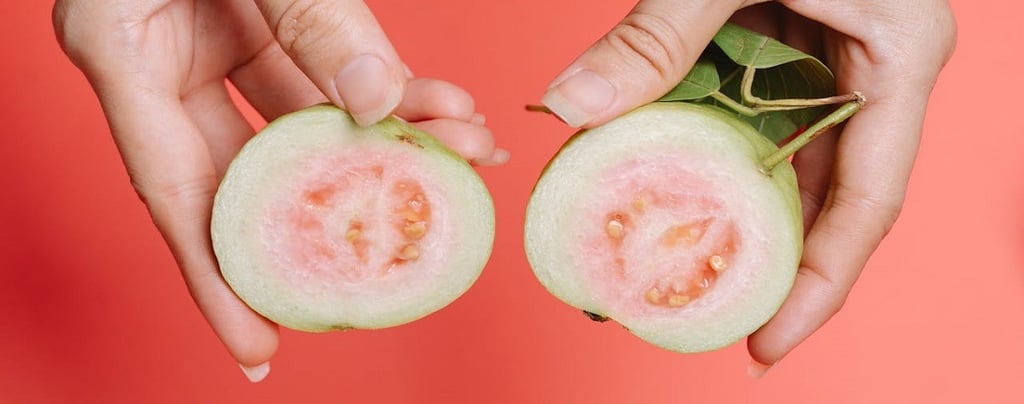
Guava is a nutrient-rich fruit that can fit into a calorie-conscious diet. Raw guava provides about 68 calories per 100 g and around 5.4 g of dietary fiber, along with vitamin C, potassium, and other nutrients.
Its relatively high fiber content can contribute to fullness and makes guava a nutritious choice for a snack or meal. However, guava does not directly cause fat loss; its benefit comes from being a nutrient-dense whole fruit that can fit into an overall balanced eating pattern.
How to include it: Enjoy fresh guava on its own, add sliced guava to a fruit salad, or pair it with plain yogurt for a more filling snack.
Oranges
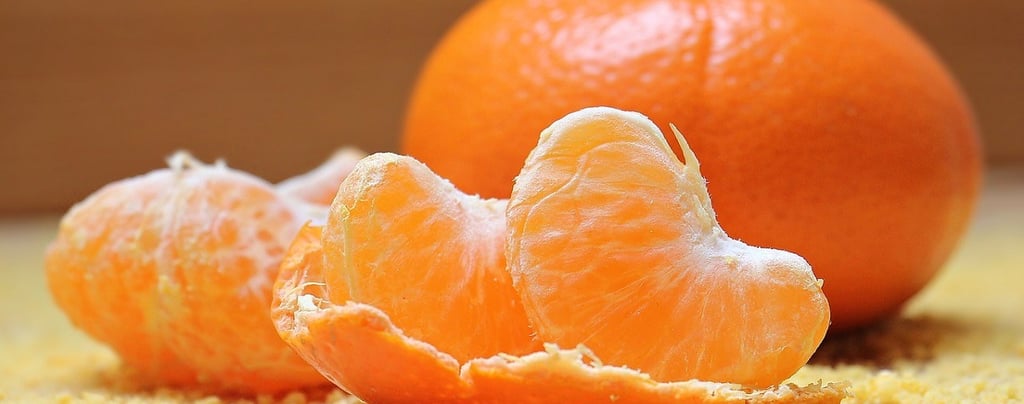
Orange is a naturally sweet, low-calorie citrus fruit that can fit easily into a balanced weight-loss diet. Raw oranges provide about 47 calories per 100 g and around 2.4 g of dietary fiber, along with vitamin C and other nutrients.
The water and fiber in whole oranges can add volume to your diet while keeping calorie intake relatively low. Whole oranges are generally a better choice than juice when you're looking for a more filling option because whole fruit retains its fiber.
How to include it: Eat a whole orange as a snack, add orange segments to a fruit salad, or use them in salads and yogurt. Choose whole fruit more often than sweetened juices or fruit drinks.
Dragon Fruit
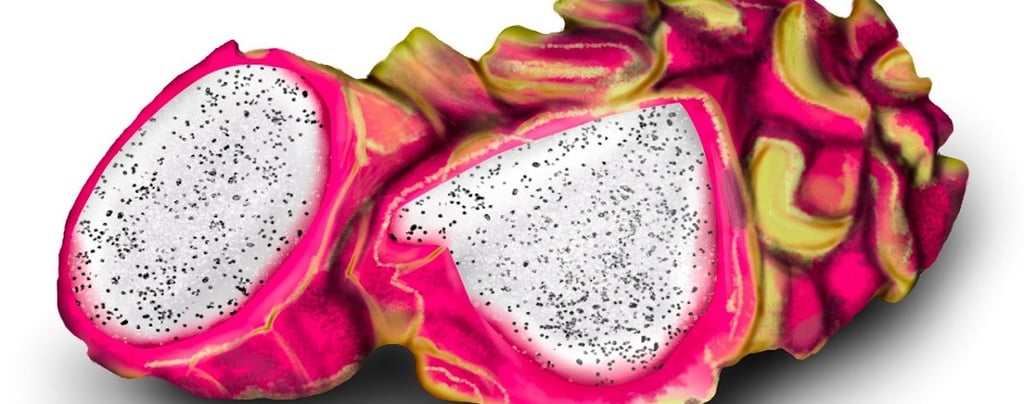
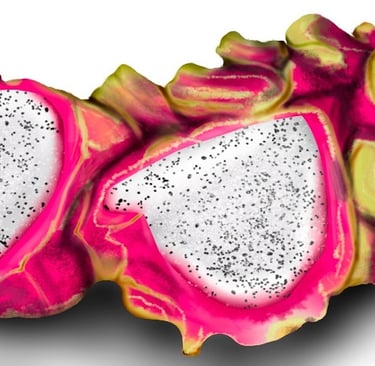
Dragon fruit is a tropical fruit that can fit into a low-calorie, balanced diet. Depending on the variety and nutrition database used, raw dragon fruit provides roughly 60–68 calories per 100 g and contains water, dietary fiber, vitamin C, and other nutrients.
Its relatively low calorie content and water and fiber content make it a refreshing option for snacks and meals. However, dragon fruit does not directly burn fat or cause weight loss. Its value for weight management comes from how it fits into an overall balanced eating pattern.
How to include it: Enjoy fresh dragon fruit on its own, add it to a fruit salad or yogurt, or use it as a topping for oatmeal or a smoothie bowl.
Low-Calorie Vegetables
Spinach
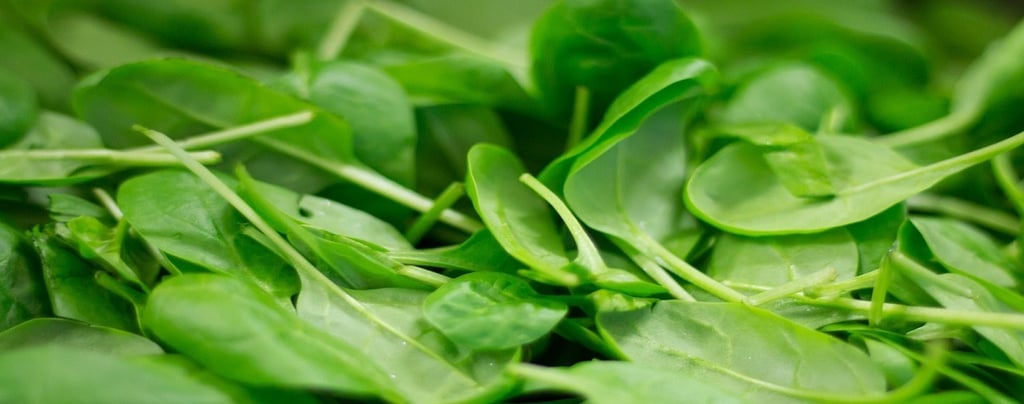
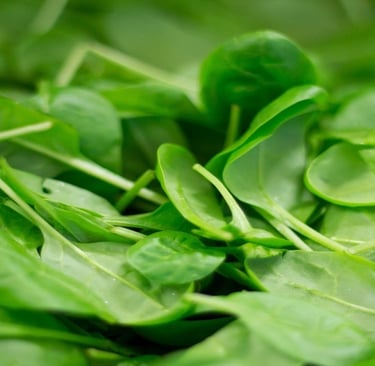
Spinach is one of the lowest-calorie vegetables and can be a useful addition to a balanced weight-loss diet. Raw spinach provides about 23 calories per 100 g, along with approximately 2.9 g of protein and 2.2 g of dietary fiber.
Spinach also provides nutrients such as vitamin A, vitamin K, folate, iron, and magnesium. Its low calorie content allows you to add a generous amount to meals without adding many calories.
How to include it: Add fresh spinach to salads, sandwiches, omelets, soups, or smoothies. You can also lightly cook it as a side dish.
Kale
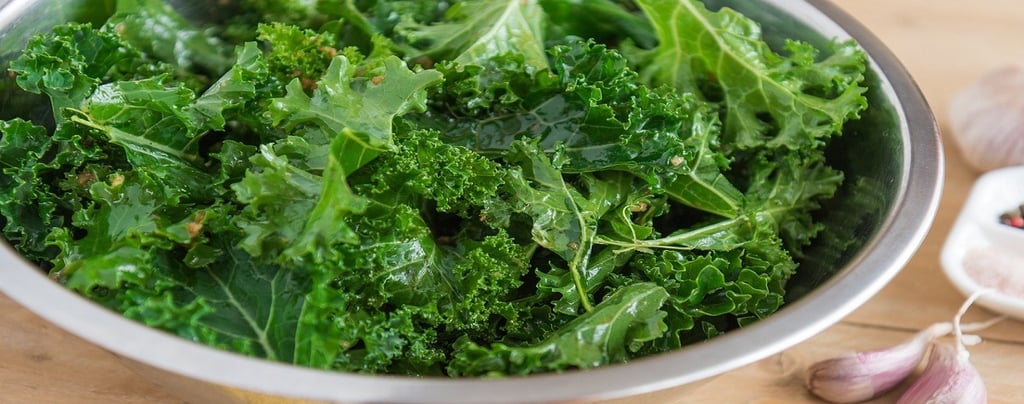
Kale is a nutrient-dense, low-calorie leafy green that can be included in a balanced weight-loss diet. Raw kale provides about 35 calories per 100 g, along with approximately 2.9 g of protein and 4.1 g of dietary fiber.
Kale also provides nutrients such as vitamin C, vitamin K, vitamin A, calcium, and potassium. Its low calorie content makes it easy to add to meals while keeping the overall calorie content relatively modest.
How to include it: Add raw kale to salads, blend it into smoothies, or lightly sauté it as a side dish. You can also add chopped kale to soups and other cooked dishes.
Radish
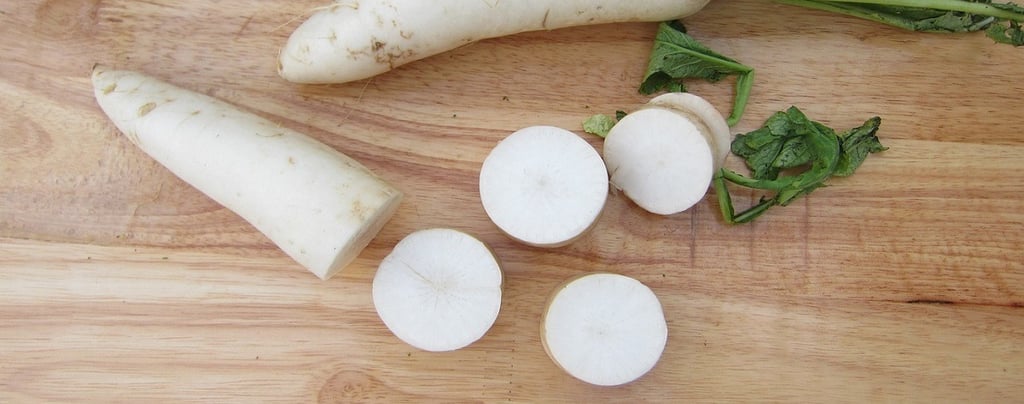
Radish is a very low-calorie vegetable that can add crunch and flavor to meals without contributing many calories. Raw radishes provide about 16 calories per 100 g, along with approximately 1.6 g of dietary fiber and 14.8 mg of vitamin C.
Their high water content and low calorie density make radishes a useful addition to salads and other meals when you're trying to manage overall calorie intake. However, radishes do not directly burn fat or cause weight loss.
How to include it: Add sliced radishes to salads, sandwiches, wraps, or grain bowls. You can also enjoy them as a crunchy snack with a healthy dip.
Beetroot
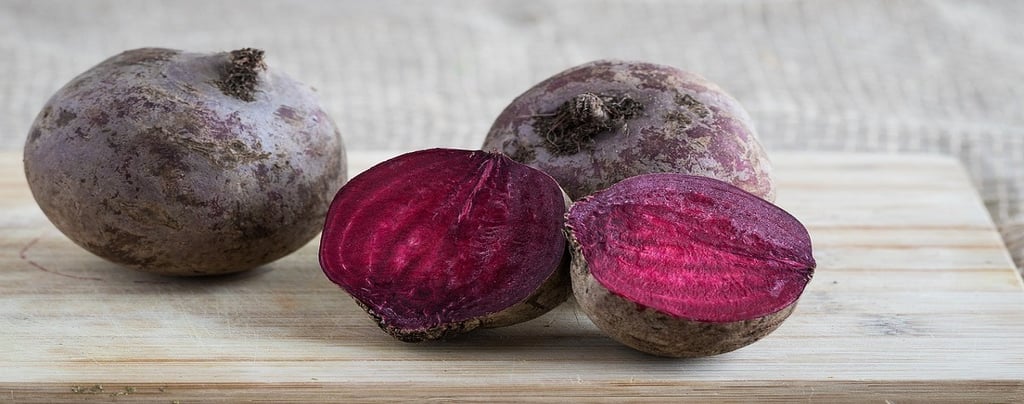
Beetroot is a relatively low-calorie vegetable that can be included in a balanced weight-loss diet. Raw beetroot provides about 43 calories per 100 g, along with approximately 1.6 g of protein and 2.8 g of dietary fiber.
Beetroot also provides nutrients such as folate, potassium, and manganese. Its naturally sweet flavor can add variety to meals while keeping calorie intake relatively modest.
How to include it: Add raw grated beetroot to salads, roast or boil it as a side dish, or include it in soups and grain bowls.
Turnips
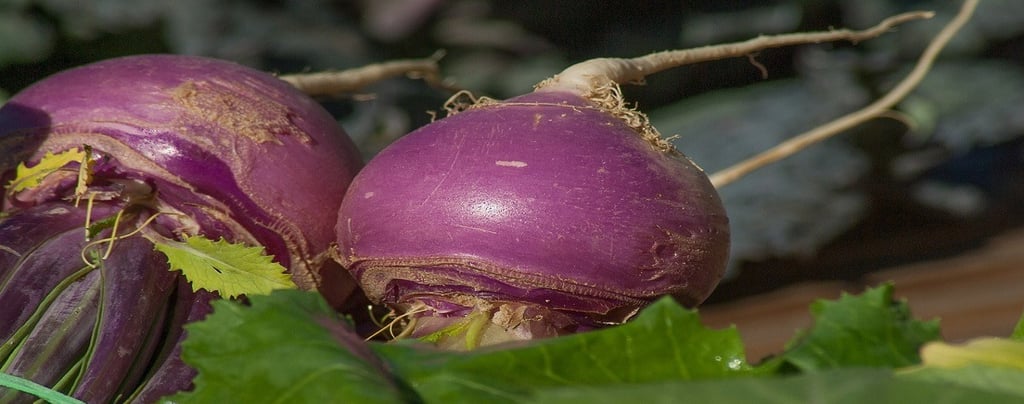
Turnip is a low-calorie root vegetable that can be included in a balanced weight-loss diet. Raw turnip provides about 28 calories per 100 g, along with approximately 0.9 g of protein and 1.8 g of dietary fiber.
Turnips also provide nutrients such as vitamin C, potassium, calcium, and folate. Their relatively low calorie content makes them a useful option when you want to add volume and variety to meals without adding many calories.
How to include it: Add sliced or grated turnip to salads, roast it as a side dish, or include it in soups and stews.
Broccoli
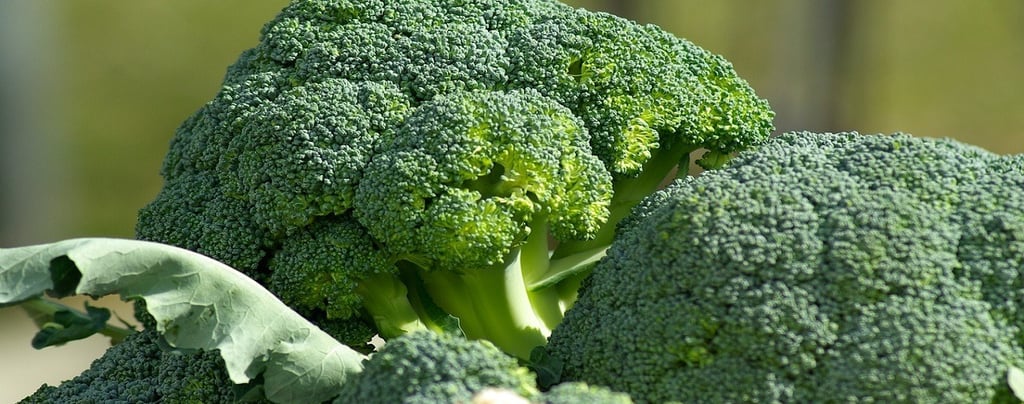
Broccoli is a nutrient-dense, low-calorie vegetable that can be a useful part of a balanced weight-loss diet. Raw broccoli provides about 34 calories per 100 g, along with approximately 2.8 g of protein and 2.6 g of dietary fiber.
Broccoli also provides nutrients such as vitamin C, vitamin K, folate, and potassium. Its combination of relatively low calories and fiber makes it easy to add volume and nutrients to meals without substantially increasing calorie intake.
How to include it: Steam, roast, or lightly sauté broccoli and serve it as a side dish. You can also add it to soups, stir-fries, salads, or grain bowls.
Cucumber
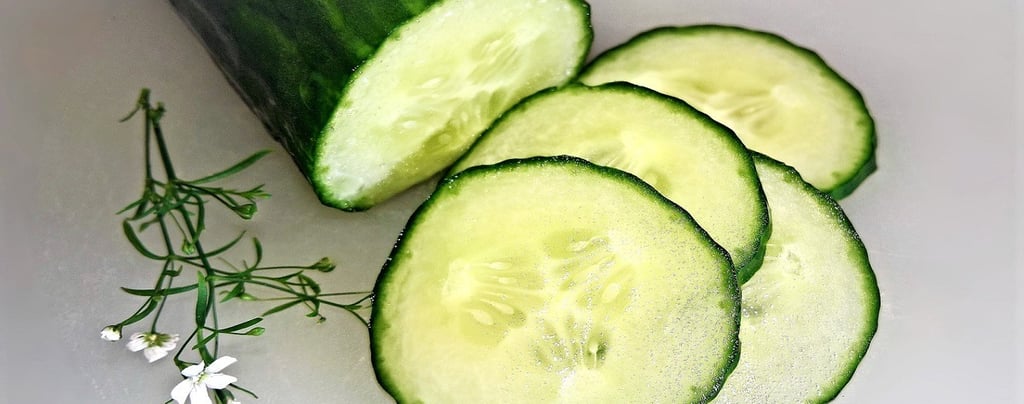
Cucumber is an extremely low-calorie vegetable with a high water content, making it an easy addition to meals when you're trying to manage overall calorie intake. Raw cucumber with peel provides about 15 calories per 100 g, along with approximately 0.7 g of protein and 0.5 g of dietary fiber.
Cucumber also provides small amounts of nutrients such as vitamin K, potassium, and vitamin C. Its high water content and low calorie density make it particularly useful for adding volume and freshness to meals.
How to include it: Add sliced cucumber to salads, sandwiches, wraps, or grain bowls. You can also enjoy it as a snack with yogurt-based or other nutritious dips.
Zucchini
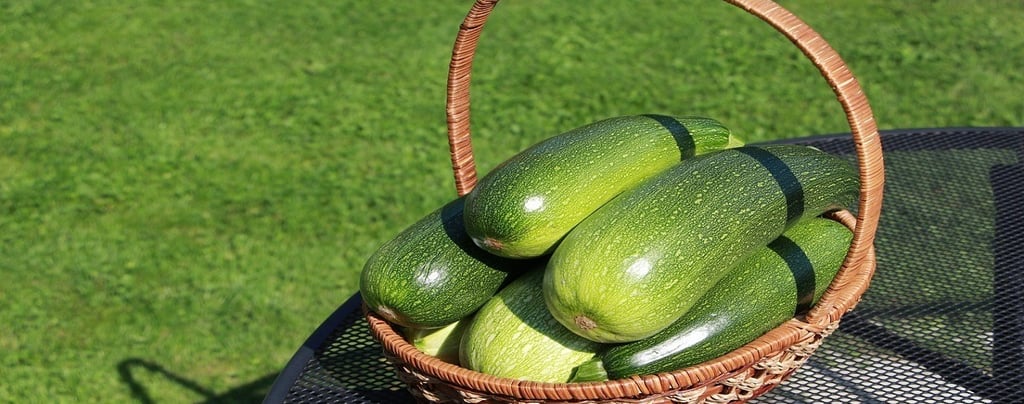
Zucchini is a low-calorie summer squash that can be a useful addition to a balanced weight-loss diet. Raw zucchini with skin provides about 17 calories per 100 g, along with approximately 1.2 g of protein and 1 g of dietary fiber.
Zucchini has a high water content and provides nutrients such as vitamin C, potassium, and folate. Its low calorie content makes it easy to add to meals while keeping overall calorie intake relatively modest.
How to include it: Grill, roast, steam, or lightly sauté zucchini as a side dish. You can also add it to soups, stir-fries, salads, or use spiralized zucchini as an alternative to traditional noodles.
Bottle Gourd
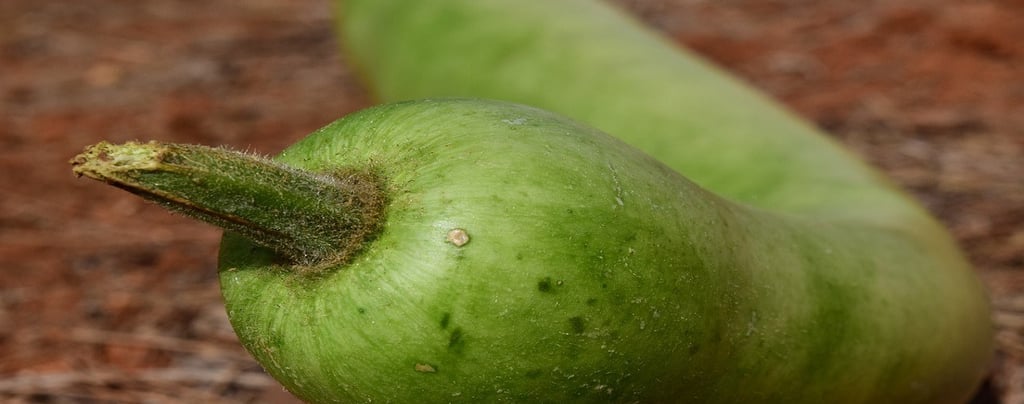

Bottle gourd, also known as lauki or calabash, is a very low-calorie vegetable with a high water content. Raw bottle gourd provides about 14 calories per 100 g, along with approximately 0.6 g of protein and 0.5 g of dietary fiber.
Its mild flavor makes it versatile, while its low calorie content allows it to be used generously in meals. It can be a useful choice when you're trying to increase the volume of a meal without adding many calories.
How to include it: Cook bottle gourd in curries, soups, stews, or dals, or use it in other vegetable-based dishes. Because it is normally eaten cooked, remember that the calorie content of a finished dish will also depend on ingredients such as oil, cream, or other additions.
Safety note: If a bottle gourd tastes unusually bitter, do not consume it. Bitter bottle gourd can contain naturally occurring compounds that may cause illness.
Celery
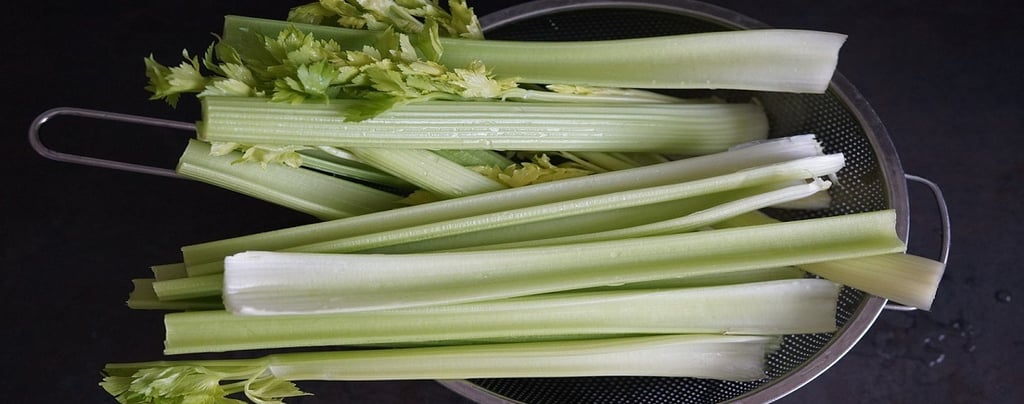
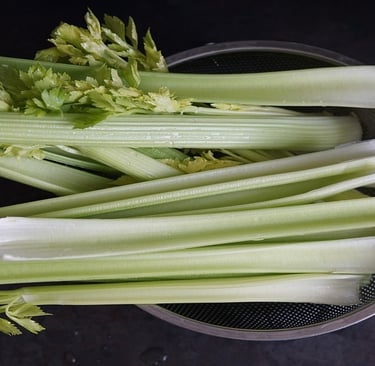
Celery is a very low-calorie vegetable with a high water content, making it an easy way to add volume and crunch to meals. Raw celery provides about 14 calories per 100 g, along with approximately 0.7 g of protein and 1.6 g of dietary fiber.
Its low-calorie content makes celery suitable for a calorie-conscious eating pattern. However, celery is not a “negative-calorie” food and does not directly burn body fat. Its usefulness comes from being a low-calorie vegetable that can add texture and volume to meals.
How to include it: Add chopped celery to salads, soups, and stir-fries, or enjoy celery sticks with a nutritious dip. Keep in mind that calorie-dense additions such as peanut butter, creamy dips, or dressings can substantially increase the calories of a celery-based snack.
Protein, Dairy, and Sides
Egg whites


Egg whites are a low-calorie source of protein and can be useful when trying to increase protein intake without adding many calories. Raw egg whites provide about 52 calories and 10.9 g of protein per 100 g, with very little fat. One large egg white provides roughly 17 calories and 3.6 g of protein.
Protein can contribute to feelings of fullness, making protein-rich foods useful as part of a balanced eating pattern. Egg whites can therefore be a practical option for meals where you want protein without a large amount of additional energy.
How to include them: Use egg whites in omelets, scrambled eggs, or other dishes. You can also combine them with whole eggs to include the nutrients found in the yolk while adjusting the overall calorie and protein content of the meal.
Oatmeal
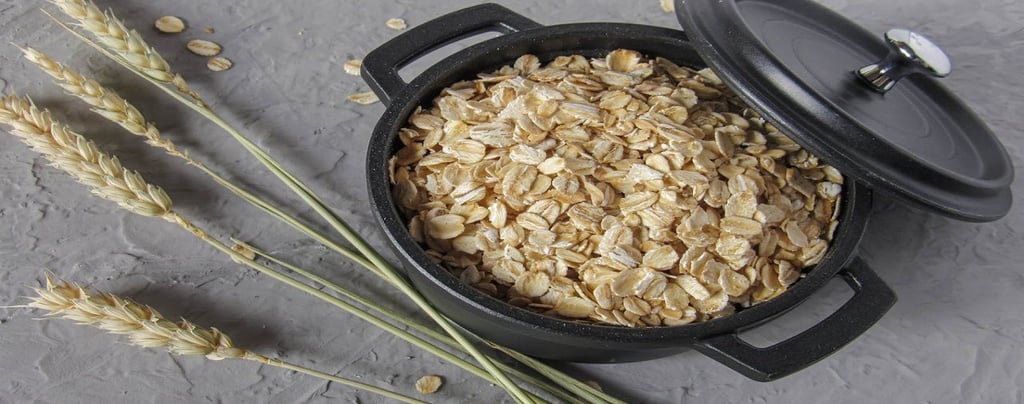
Oatmeal can be a nutritious and filling breakfast option when prepared without excessive amounts of added sugar, butter, or other high-calorie ingredients. Dry oats provide about 389 calories per 100 g, along with approximately 16.9 g of protein and 10.6 g of dietary fiber.
Although oats are more calorie-dense than many fruits and vegetables, their fiber content can help make a meal more satisfying. Oats are also a whole grain and can be part of a balanced eating pattern.
How to include it: Prepare oatmeal with water or unsweetened milk and add fruit, cinnamon, nuts, or seeds. Be mindful of portions and calorie-dense toppings such as large amounts of sugar, honey, nut butter, or cream.
Cottage Cheese

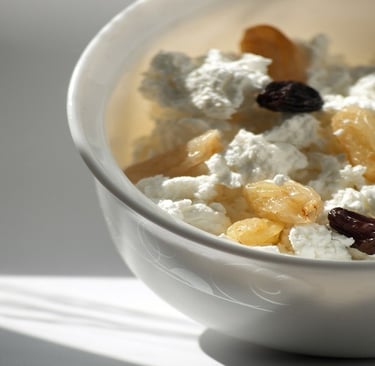
Cottage cheese is a protein-rich dairy food that can fit into a calorie-conscious diet. Low-fat cottage cheese with 2% milkfat provides about 84 calories and 11 g of protein per 100 g.
Its protein content can help make meals and snacks more satisfying, while its relatively moderate calorie content makes it a practical option when you're managing overall calorie intake. Cottage cheese also provides nutrients such as calcium and phosphorus.
How to include it: Enjoy cottage cheese with fresh fruit, add it to salads or whole-grain toast, or use it as a protein-rich ingredient in meals. Check the nutrition label when choosing a product because calorie, fat, and sodium content can vary between brands and varieties.
Greek Yogurt
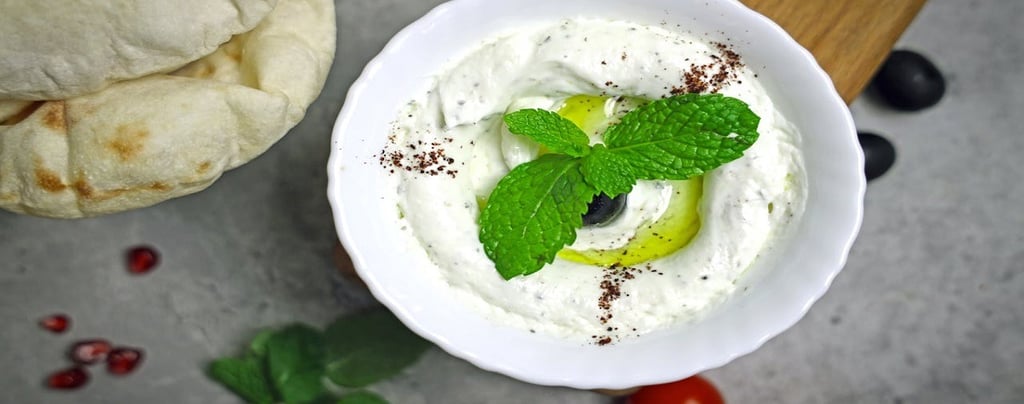
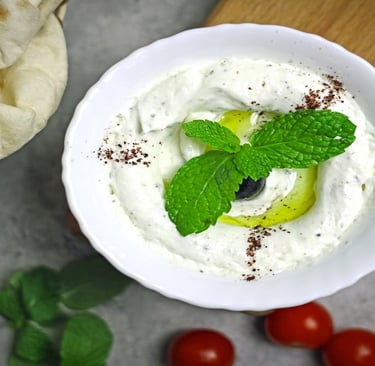
Greek yogurt can be a protein-rich, relatively low-calorie dairy option that fits well into a balanced weight-loss diet. Plain nonfat Greek yogurt provides about 60 calories and 10 g of protein per 100 g.
Its protein content can help make meals and snacks more satisfying, while it also provides nutrients such as calcium and phosphorus. However, nutrition can vary considerably between full-fat, low-fat, nonfat, flavored, and sweetened varieties.
How to include it: Choose plain Greek yogurt and add fresh fruit, oats, nuts, or seeds. Check the nutrition label of flavored varieties because added sugars can substantially increase their calorie content.
Mushrooms
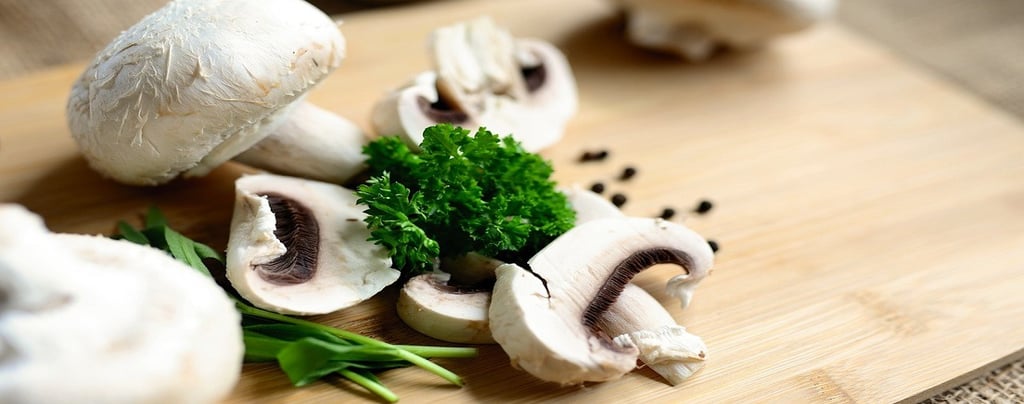
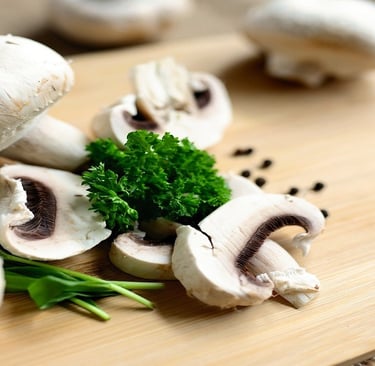
Mushrooms are a low-calorie food that can add volume and a savory flavor to meals. Raw white mushrooms provide about 22 calories per 100 g, along with approximately 3.1 g of protein and 1 g of dietary fiber.
Mushrooms also provide nutrients such as selenium, riboflavin, niacin, potassium, and copper. Their relatively low calorie content makes them useful in meals where you want to increase food volume without adding many calories.
How to include it: Sauté, grill, roast, or add mushrooms to soups, omelets, salads, stir-fries, and grain-based dishes. Keep in mind that cooking methods and ingredients such as butter or oil can increase the calorie content of the final dish.
Shrimp
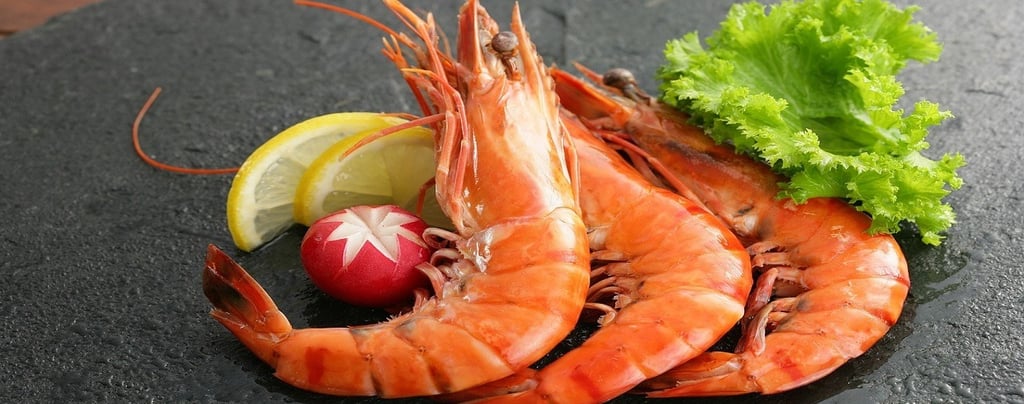
Shrimp is a lean, protein-rich seafood that can fit well into a calorie-conscious diet. Raw shrimp provides about 85 calories per 100 g and approximately 20.1 g of protein, with very little fat.
Its high protein content makes shrimp a useful option for meals where you want a substantial source of protein without adding many calories. Shrimp also provides nutrients such as vitamin B12, selenium, phosphorus, and iodine.
How to include it: Grill, steam, boil, or lightly sauté shrimp and serve it with vegetables, salads, or whole grains. Be mindful of calorie-dense sauces, butter, breading, and large amounts of cooking oil, which can substantially increase the calories of the finished dish.
Scallops
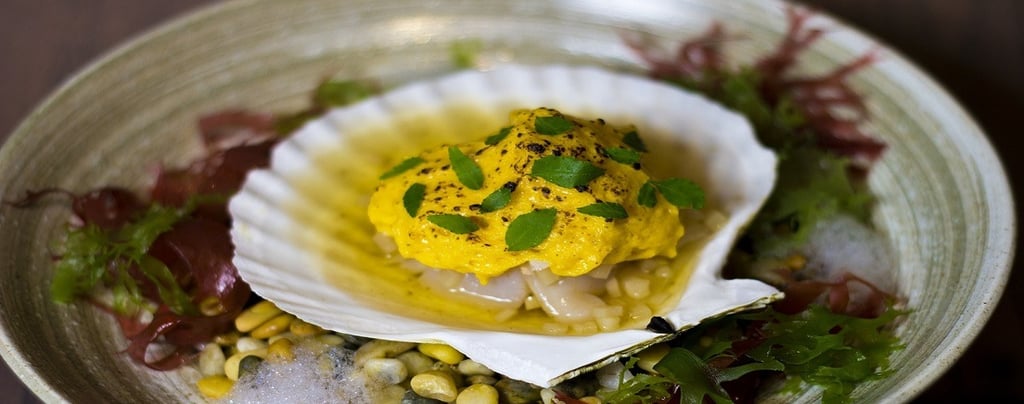
Scallops are a relatively low-calorie seafood that provides protein along with several vitamins and minerals. Raw scallops provide about 69 calories per 100 g and approximately 12.1 g of protein, with very little fat.
Scallops also provide nutrients such as vitamin B12, phosphorus, selenium, and omega-3 fatty acids. Their relatively low calorie content and protein contribution can make them a useful option in a balanced, calorie-conscious diet.
How to include it: Steam, grill, bake, or lightly sear scallops and serve them with vegetables, salads, or whole grains. Keep in mind that butter, creamy sauces, breading, and large amounts of cooking oil can significantly increase the calories of the finished dish.
Cod Fish
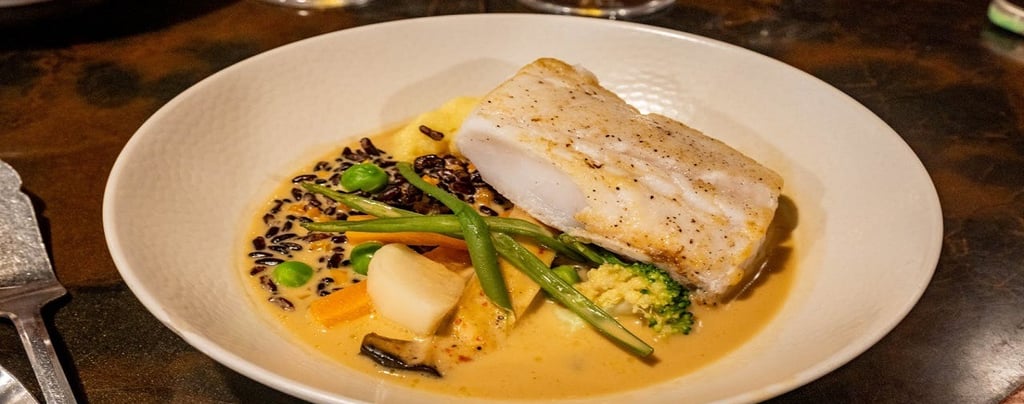
Cod is a lean, protein-rich fish that can fit well into a calorie-conscious diet. Raw Atlantic cod provides about 82 calories per 100 g and approximately 17.8 g of protein, with very little fat.
Cod also provides nutrients such as vitamin B12, selenium, phosphorus, and potassium. Its high protein content relative to its calorie content makes it a practical choice for meals where you want a satisfying source of protein without adding many calories.
How to include it: Bake, grill, steam, or lightly pan-cook cod and serve it with vegetables, salads, or whole grains. Be mindful of breading, creamy sauces, butter, and large amounts of cooking oil, which can substantially increase the calorie content of the finished dish.
Soy Milk
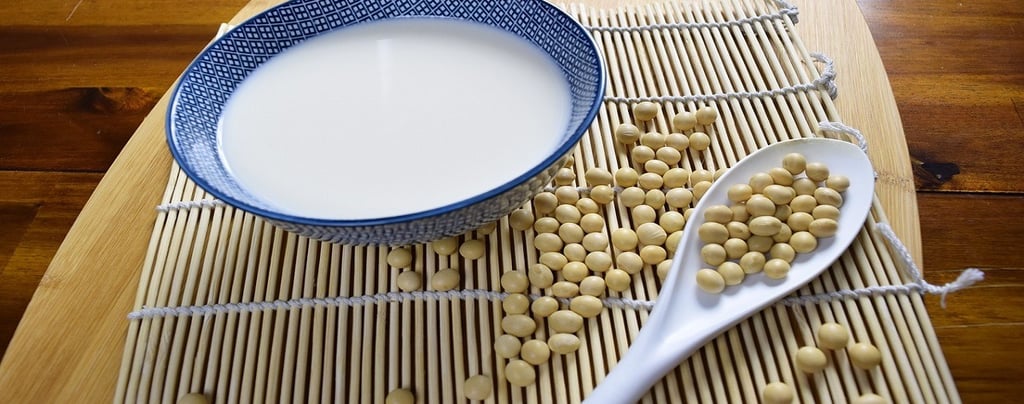
Soy milk can be a relatively low-calorie, plant-based alternative to dairy milk. Unsweetened soy milk provides about 39 calories per 100 g and approximately 3.5 g of protein.
Soy milk can also provide nutrients such as calcium, vitamin B12, and vitamin D when it is fortified. However, nutritional values vary between brands and varieties, so checking the product label is useful when comparing options.
How to include it: Use unsweetened soy milk in oatmeal, smoothies, cereals, or coffee, or drink it on its own. Choosing an unsweetened variety can help keep added sugar and calories lower.
Skimmed Milk
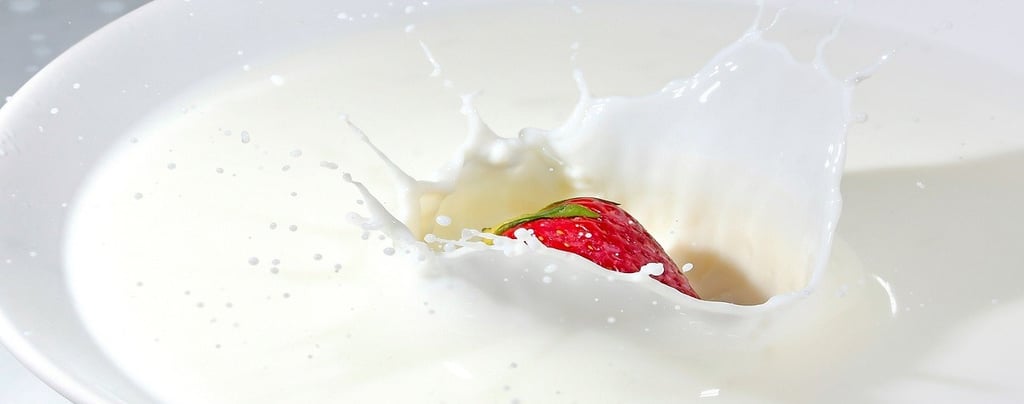
Skimmed milk is a low-calorie dairy option that provides protein and several important nutrients. Plain skimmed milk provides about 34 calories per 100 g and approximately 3.4 g of protein.
Skimmed milk also provides nutrients such as calcium, phosphorus, vitamin B12, and vitamin D when fortified. Its relatively low calorie content makes it a practical option when you're trying to manage overall calorie intake while still including dairy in your diet.
How to include it: Drink skimmed milk on its own, add it to oatmeal or whole-grain cereal, or use it in smoothies and other recipes. Check the nutrition label because nutrient content can vary between brands and fortified varieties.
How to Choose Low-Calorie Foods for Weight Loss
Choosing low-calorie foods is not simply about picking foods with the fewest calories. A better approach is to choose foods that provide useful nutrients, fiber, protein, and enough volume to make meals satisfying.
When selecting foods for a weight-loss diet, consider the following:
Prioritize nutrient-dense foods: Choose a variety of fruits, vegetables, whole grains, legumes, lean proteins, dairy or fortified alternatives, nuts, and seeds.
Include protein: Foods such as Greek yogurt, cottage cheese, eggs, seafood, beans, lentils, tofu, and other protein sources can help make meals more satisfying.
Choose fiber-rich foods: Fruits, vegetables, whole grains, legumes, nuts, and seeds provide fiber, which can contribute to fullness.
Pay attention to preparation: A naturally low-calorie food can become much higher in calories when prepared with large amounts of oil, butter, sugar, creamy sauces, or other calorie-dense ingredients.
Watch portion sizes: Even nutritious foods contribute calories, so portions still matter when you're trying to manage your overall calorie intake.
Choose whole foods more often: Whole fruits and vegetables are generally more filling than juices or highly processed alternatives.
The goal is not to eat as few calories as possible. Instead, build meals around a variety of nutrient-dense foods that fit your individual calorie needs and can be maintained over time.
Are Low-Calorie Foods Enough for Weight Loss?
Low-calorie foods can make it easier to manage calorie intake, but simply eating low-calorie foods does not guarantee weight loss. Overall calorie intake, portion sizes, physical activity, sleep, stress, medications, medical conditions, and other factors can all influence weight management.
A sustainable approach is to build meals around a variety of nutrient-dense foods while paying attention to portions and overall calorie intake. Including vegetables, fruits, whole grains, protein-rich foods, and other nutritious options can help you create satisfying meals without relying entirely on highly processed or calorie-dense foods.
Regular physical activity is also an important part of a healthy weight-management approach. Rather than focusing only on individual foods, aim for eating and activity habits that you can maintain over time.
30 Low-Calorie Foods at a Glance
The table below provides a quick comparison of the 30 foods discussed in this article. Calorie, protein, and fiber values are approximate and can vary depending on the variety, brand, and preparation method. For consistency, values are shown per 100 g of the food in its specified form.
Conclusion
Low-calorie foods can be valuable tools for managing overall calorie intake while still enjoying nutritious and satisfying meals. Fruits, vegetables, lean proteins, dairy products, whole grains, and other nutrient-dense foods can provide a combination of nutrients, fiber, protein, water, and volume.
However, no single food causes weight loss. Sustainable weight management depends on the overall balance of food intake, physical activity, sleep, and other individual factors. Choose foods you enjoy, pay attention to portions, and focus on eating patterns you can maintain over time.
Use the 30 foods in this guide as options to build balanced meals rather than as a strict list of foods you must eat. If you have a medical condition or specific dietary needs, consider speaking with a qualified healthcare professional or registered dietitian.
Frequently Asked Questions
What are the best low-calorie foods for weight loss?
There is no single best low-calorie food for weight loss. Vegetables, fruits, lean proteins, low-fat dairy, whole grains, and legumes can all be useful choices. The best options are foods you enjoy and can include regularly as part of a balanced diet while keeping your overall calorie intake appropriate for your needs.
Can I eat fruit while trying to lose weight?
Yes. Whole fruits can be part of a healthy weight-loss diet. They provide nutrients, water, and dietary fiber, which can help make meals and snacks more satisfying. Whole fruit is generally a better choice than fruit juice because it retains the fruit's fiber and requires more chewing.
What low-calorie foods are high in protein?
Some relatively low-calorie foods that provide protein include egg whites, Greek yogurt, cottage cheese, shrimp, scallops, cod, soy milk, and mushrooms. Beans, lentils, tofu, tempeh, and other plant-based protein sources can also contribute protein to a balanced diet.
How many calories should I eat to lose weight?
There is no single calorie target that works for everyone. Calorie needs vary based on factors such as age, sex, height, weight, physical activity, and overall health. A sustainable calorie target should provide adequate nutrition while supporting gradual weight management. If you need an individualized calorie target, consider speaking with a qualified healthcare professional or registered dietitian.
Are low-calorie foods filling?
Low-calorie foods can be filling when they provide plenty of water, fiber, protein, or food volume. Vegetables, whole fruits, legumes, lean proteins, and some low-fat dairy foods can help create satisfying meals. Choosing nutrient-dense foods rather than simply focusing on the lowest calorie number can make a weight-loss eating pattern easier to maintain.
Share this Article








Last updated: September 2026
Fitness with Meal
All you need to know about Fitness and Nutrition
contactus@fitnesswithmeal.com
© 2026. All rights reserved.