
Brown Rice vs White Rice: Which Is Healthier?
Brown Rice vs White Rice: Compare nutrition, fiber, health benefits, blood sugar impact, arsenic concerns, and how to choose the best option for your diet.
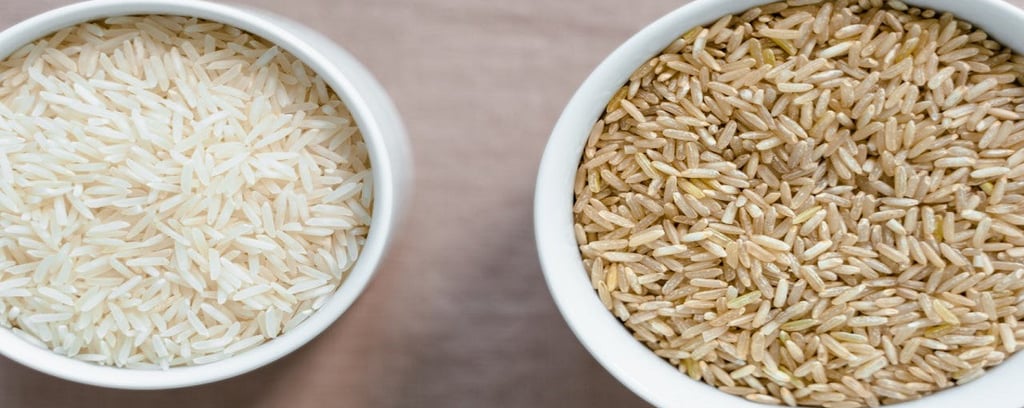
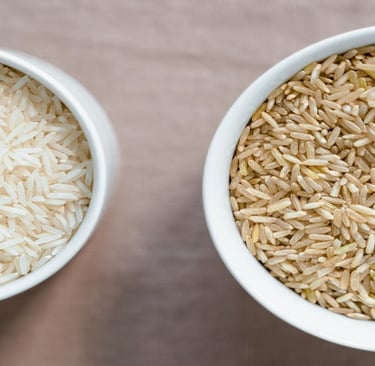
Brown rice and white rice are both common staple foods, but they differ in how they are processed and in their nutritional composition. Brown rice is a whole grain that retains the bran and germ, while white rice has these outer layers removed during milling.
These differences affect their fiber, vitamins, minerals, texture, digestion, and blood sugar response. However, neither type of rice is automatically the best choice for everyone. The better option can depend on your overall diet, health needs, activity level, and personal preferences.
In this article, we'll compare brown rice and white rice, look at their nutritional differences and potential health benefits, discuss considerations such as blood sugar and arsenic exposure, and explain how to include either type in a balanced diet.
Table of Contents
What Is the Difference Between Brown Rice and White Rice?
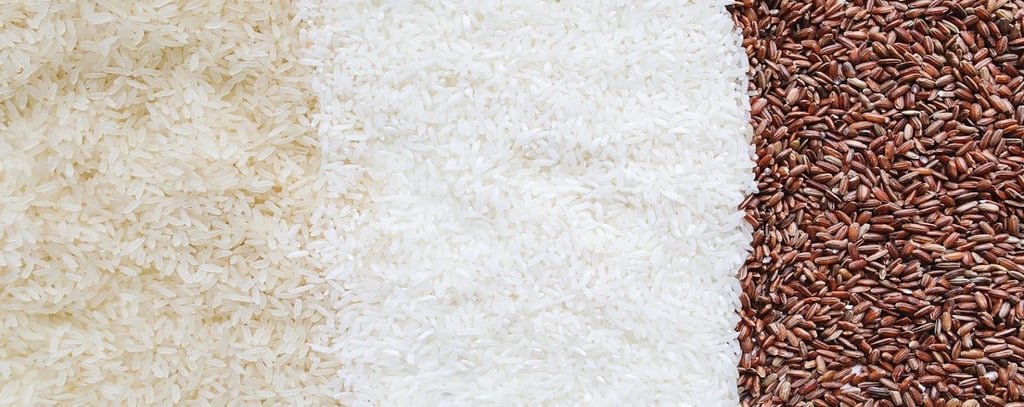
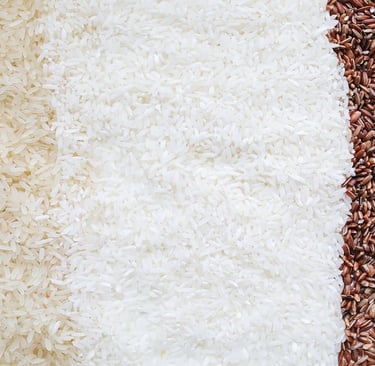
Brown rice and white rice come from the same rice grain, but they are processed differently. Brown rice is a whole grain because it retains the bran, germ, and endosperm after the inedible outer hull is removed.
White rice is a refined grain. During milling and polishing, the bran and germ are removed, leaving mainly the starchy endosperm. This processing gives white rice a softer texture and shorter cooking time, but it also removes much of the grain's naturally occurring fiber, vitamins, minerals, and other plant compounds. Some nutrients, such as certain B vitamins and iron, may be added back through enrichment.
Because brown rice retains more of the original grain, it generally provides more fiber and several micronutrients than white rice. However, this does not mean white rice cannot be part of a healthy diet. The overall quality of the diet, portion size, and individual nutritional needs also matter.
Brown Rice vs. White Rice: Nutrition Comparison
Brown rice and white rice provide similar amounts of carbohydrates and calories, but their nutritional profiles are not identical. The main difference comes from processing: brown rice retains the bran and germ, while white rice has these layers removed.
As a result, brown rice generally provides more fiber and higher amounts of several micronutrients, including magnesium, potassium, and certain B vitamins. White rice contains less fiber and is easier to digest for some people. Enriched white rice may also have certain vitamins and minerals added back after processing.
The exact nutritional values can vary depending on the rice variety, serving size, and cooking method. Therefore, it is better to use nutrition data as a general comparison rather than assuming every type of brown or white rice has exactly the same nutritional profile.
Brown Rice vs. White Rice: Key Nutrients
Are There Any Health Benefits of White Rice?
White rice is a refined grain, so it generally contains less fiber and fewer naturally occurring micronutrients than brown rice. However, that does not mean it has no place in a healthy diet. For some people, white rice can be a convenient and easily digested source of carbohydrates.
Its suitability depends on the rest of the meal, portion size, individual health needs, and overall dietary pattern.
Easy to Digest
Because white rice has had the bran and germ removed, it is softer and contains less fiber than brown rice. This makes it easier to digest for some people, particularly when a lower-fiber food is preferred.
This can make white rice a practical carbohydrate choice around exercise or for people who find higher-fiber grains uncomfortable.
A Convenient Source of Carbohydrates
White rice provides carbohydrates that can be used as an energy source during physical activity. For athletes and active individuals, it can be included in meals before or after exercise depending on individual tolerance and nutritional needs.
However, there is no need to consider white rice an inherently superior sports food. The overall meal and total daily diet are more important than choosing one particular carbohydrate source.
Can Be Part of a Balanced Diet
White rice can be part of a balanced diet when eaten in appropriate portions alongside vegetables, legumes, dairy, eggs, fish, meat, or other protein-rich foods.
Pairing rice with protein, vegetables, and other nutrient-rich foods can make the overall meal more balanced. For people who regularly eat large amounts of white rice, replacing some servings with whole grains such as brown rice can increase whole-grain intake.
What Are the Risks of Eating Too Much White Rice?


White rice can be part of a healthy diet, but regularly eating large amounts of refined grains may be less beneficial than choosing a greater proportion of whole grains. White rice generally has less fiber than brown rice and tends to have a higher glycemic index, although the exact effect varies by rice variety and preparation method.
For this reason, people who eat large amounts of white rice regularly may benefit from including more whole grains, vegetables, legumes, and other high-fiber carbohydrate sources in their diet.
Higher Blood Sugar Impact
White rice is generally digested more quickly than brown rice because the bran and germ have been removed. This can result in a greater rise in blood glucose after eating. However, the effect depends on the type and amount of rice and what other foods are eaten with it.
People with diabetes or insulin resistance may therefore benefit from paying attention to portion sizes and choosing higher-fiber carbohydrate sources more often.
Possible Association With Type 2 Diabetes
Research has found associations between higher consumption of white rice and an increased risk of type 2 diabetes in some populations. In contrast, higher consumption of whole grains, including brown rice, has generally been associated with a lower risk. However, these studies are observational and do not prove that white rice directly causes diabetes.
Replacing some refined grains with whole grains can be a practical way to improve the overall quality of the diet.
Lower Fiber Intake
Because the bran is removed during the processing of white rice, it contains considerably less fiber than brown rice. Fiber supports digestive health and can help with fullness after meals.
If white rice is a major staple in your diet, including vegetables, beans, lentils, fruits, and whole grains can help increase your overall fiber intake.
What Are the Benefits of Brown Rice?
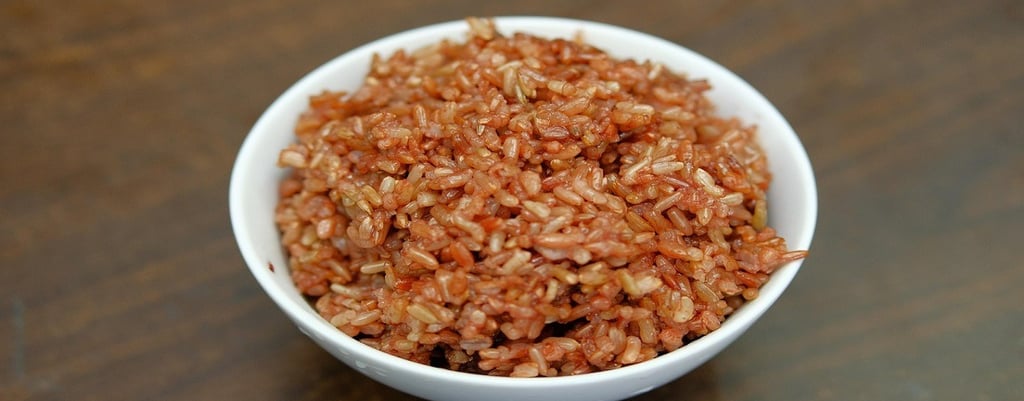
Brown rice is a whole grain that retains the bran, germ, and endosperm. Because these layers remain intact, brown rice generally contains more fiber and several nutrients than refined white rice. Including whole grains such as brown rice as part of a balanced diet may offer benefits for digestive health, blood sugar management, and overall diet quality.
More Fiber and Nutrients
Brown rice generally provides more fiber, magnesium, potassium, iron, and certain B vitamins than white rice. The bran and germ also contain various plant compounds that are removed or reduced during the refining of white rice.
The higher fiber content can also help make meals more filling, especially when brown rice is eaten as part of a meal containing vegetables and a source of protein.
May Support Blood Sugar Management
Brown rice generally has a lower glycemic impact than white rice, although the exact glycemic index can vary considerably depending on the rice variety and how it is processed and prepared.
Choosing whole grains more often can therefore be a useful strategy for improving carbohydrate quality, particularly for people who need to pay attention to blood glucose levels.
May Support Heart Health
Brown rice is a whole grain, and higher consumption of whole grains has been associated with better cardiovascular health. Its fiber, minerals, and other plant compounds contribute to the nutritional value of the whole grain.
However, it would be too strong to claim that eating brown rice alone prevents heart disease or directly lowers cholesterol. Its potential benefit is better understood as part of an overall healthy dietary pattern.
Provides Antioxidants and Plant Compounds
The bran and germ of brown rice contain various phytochemicals and antioxidant compounds. These naturally occurring plant compounds contribute to the nutritional value of whole grains.
However, more research is needed to determine the specific health effects of the antioxidant compounds found in brown rice.
May Help With Weight Management
Brown rice can be a useful choice for weight management because it provides more fiber than white rice and can be part of a filling, nutrient-dense meal. Research also suggests that replacing refined grains with whole grains may support healthier body weight and metabolic health.
However, brown rice is not a weight-loss food by itself. Total calorie intake, portion sizes, physical activity, and the overall quality of the diet are more important factors.
Are There Any Side Effects of Brown Rice?
Brown rice is nutritious and can be part of a healthy diet, but it may not be the ideal choice for everyone. Its higher fiber content can cause digestive discomfort in some people, and rice can contain inorganic arsenic absorbed from soil and water. Brown rice generally contains more arsenic than white rice because arsenic can accumulate in the outer layers of the grain.
May Cause Digestive Discomfort
Brown rice contains more fiber than white rice. Increasing fiber intake suddenly may cause symptoms such as bloating, gas, or changes in bowel movements in some people.
If you are not accustomed to eating high-fiber foods, increasing your intake gradually and drinking enough fluids may make the transition easier.
Contains More Arsenic Than White Rice
Rice tends to absorb arsenic from the environment more readily than many other crops. Because arsenic can accumulate in the outer layers of the rice grain, brown rice generally contains higher concentrations of inorganic arsenic than white rice.
This does not mean that brown rice needs to be avoided. The FDA advises eating a varied and nutritious diet, which can help reduce exposure to contaminants from relying heavily on a single food.
How to Reduce Arsenic Exposure From Rice
Rice can be part of a healthy diet, but because it can absorb inorganic arsenic from soil and water, eating a variety of grains can help reduce long-term exposure. This is particularly useful for people who eat rice frequently.
Vary Your Grain Choices
If rice is a regular part of your diet, consider alternating it with other grains such as oats, barley, quinoa, millet, or other whole grains. Eating a varied diet reduces reliance on any one food as a major source of potential contaminants.
Use an Appropriate Cooking Method
Research reviewed by the FDA indicates that cooking rice in excess water and then draining the excess water can reduce inorganic arsenic levels by about 40–60%, depending on the type of rice. However, this cooking method can also reduce some nutrients that dissolve in water.
If rice is an important part of your diet, the simplest approach is to combine sensible cooking methods with variety rather than avoiding rice altogether.
How to Choose Between Brown Rice and White Rice
Brown rice and white rice can both fit into a balanced diet. Brown rice generally offers more fiber and nutrients because it is a whole grain, while white rice is softer, easier to digest, and can be useful when a lower-fiber carbohydrate is preferred. The better choice depends on your health needs, activity level, digestion, and overall diet.
Choose Brown Rice More Often If...
Brown rice may be a good choice if you:
Want to increase your intake of whole grains and dietary fiber
Prefer foods that are generally more filling
Want a carbohydrate source with a lower glycemic impact than many types of white rice
Are trying to include more minimally processed foods in your diet
Remember that brown rice is only one way to increase whole-grain intake. Oats, barley, quinoa, millet, and other whole grains can also contribute to a varied diet. Brown rice is also a source of complex carbohydrates, which can be part of a balanced eating pattern.
Choose White Rice If...
White rice may be a practical choice if you:
Prefer a softer texture and milder taste
Find higher-fiber grains difficult to digest
Need a lower-fiber carbohydrate temporarily
Prefer white rice around physical activity because it is relatively easy to digest
Enjoy white rice and can include it as part of an overall balanced diet
You Don't Have to Choose Only One
You don't necessarily have to completely replace white rice with brown rice. You can include both in your diet depending on your preferences and nutritional needs.
For example, you might choose brown rice for some meals to increase whole-grain and fiber intake, while using white rice for meals where you prefer a softer, easier-to-digest carbohydrate.
The bigger goal is to maintain a balanced diet that includes vegetables, fruits, whole grains, legumes, and nutritious protein sources. Portion size also matters, and rice can be combined with vegetables, protein-rich foods, and other low-calorie foods to create a satisfying meal.
Conclusion
Brown rice and white rice can both be part of a balanced diet, but they have different nutritional characteristics. Brown rice is a whole grain that generally provides more fiber and several nutrients, while white rice is more refined, softer, and easier to digest for some people.
For most people, including more whole grains such as brown rice can be a nutritious choice. However, there is no need to completely avoid white rice. Portion size, the foods eaten alongside rice, overall dietary quality, and individual health needs all matter.
If you eat rice frequently, varying your grain choices can also help reduce long-term exposure to arsenic. Brown rice generally contains more arsenic than white rice, but the FDA considers rice compatible with a well-balanced diet.
In short, brown rice has a nutritional advantage, but white rice can also have a place in a healthy and balanced diet. The best choice is the one that fits your nutritional needs, preferences, and overall eating pattern.
Frequently Asked Questions
Is brown rice healthier than white rice?
Brown rice is generally more nutritious because it is a whole grain and typically provides more fiber and several nutrients than white rice. However, white rice can also be part of a balanced diet, depending on your overall eating pattern and individual needs.
Can I eat white rice every day?
Yes, white rice can be eaten regularly as part of a balanced diet. However, if white rice is a major staple in your diet, it is useful to include a variety of whole grains, vegetables, legumes, and other fiber-rich foods as well.
Which rice is better for blood sugar?
Brown rice generally has a lower glycemic impact than white rice, although the effect varies depending on the rice variety, processing, cooking method, portion size, and the other foods eaten with the meal.
Is brown rice good for weight loss?
Brown rice can be included in a weight-loss diet because it provides fiber and can be part of a filling, nutrient-dense meal. However, eating brown rice alone does not cause weight loss. Overall calorie intake, portion sizes, physical activity, and the quality of the overall diet are more important.
Does brown rice contain more arsenic than white rice?
Generally, yes. Brown rice tends to contain more inorganic arsenic than white rice because arsenic can accumulate in the outer layers of the grain. Eating a varied diet and avoiding excessive reliance on rice can help reduce long-term exposure.
Should I completely stop eating white rice?
No. There is generally no need to completely eliminate white rice from your diet. You can include white rice in appropriate portions while also eating whole grains, vegetables, fruits, legumes, and other nutrient-rich foods.
Share this Article








Last Updated: September 2026
Fitness with Meal
All you need to know about Fitness and Nutrition
contactus@fitnesswithmeal.com
© 2026. All rights reserved.